Why are more and more clinics creating their own brands?
Before, beauty clinics were more like a medical service organization. Today, they are increasingly resembling a consumer brand.
This change is not due to a change in the products, but rather because the consumption behavior of patients has changed. Patients want to be treated continuously and not once with efficient treatments. They tend to trust known brands and not varying treatment plans each time.
Consequently, an increasing number of clinics have begun to build their own product systems through Clinic Private Label. The primary commercial drivers for this are threefold.
Repeat treatments create recurring revenue, not one off income
Mesotherapy treatment has a naturally higher rate of repeat visits, unlike one-time procedures such as hyaluronic acid fillers. Most treatments like PDRN, Skin Booster or Collagen Stimulator take 3 to 4 sessions for best results, followed by maintenance treatments every few months.
This model of treatment means that a patient will not come just once, but will continue to return for a year or more. For the clinic this means the income source changes from ‘1-time transaction’ to ‘long term customer lifetime value’.
This is also why the Meso Clinic Business Model is being adopted by more and more institutions - by managing treatments over multiple sessions, rather than individual projects, to achieve more stable and predictable income.
Private labels offer clinics a double benefit
The bulk of the money for traditional clinics comes from the medical service itself and once the treatment is finished, the transaction is over.
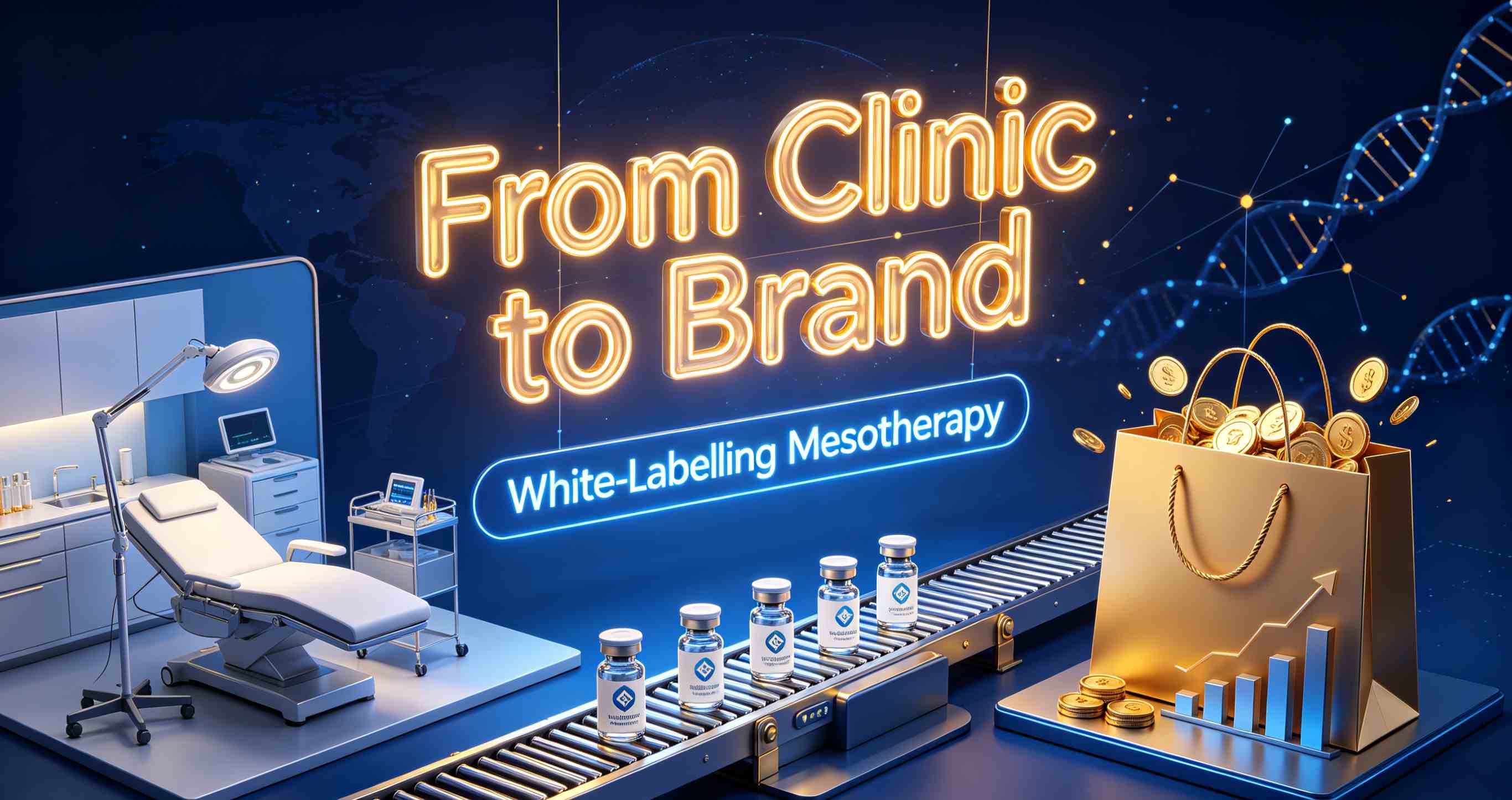
By contrast, the “white-label” model enables a single patient to create more value. Clinics can also sell private-label products, packages of treatments and long-term maintenance plans, not just treatments. Where revenue was once restricted to a single interaction, it now encompasses the entire spectrum – treatments, products, repeat purchases, brand engagement. More and more facilities are looking at white-label mesotherapy as a new revenue stream in the aesthetics sector.
But what’s important for profit growth is not the product, but the fact that the clinic owns the whole value chain.
Patients are better at remembering the brand than the product
Most clinics are now using more and more similar products today. Patients are often unaware of the manufacturer of the PDRN being injected and do not always recall the specific brand of “skin booster”.
What they really remember is, “This is a signature treatment offered by Clinic XX.
When a clinic creates its own product packaging, brand identity and standardized treatment protocols, it begins to gain recognition among its patients. Your competitors can probably get the same raw materials, but they can’t duplicate your unique brand.
One reason for this is that more and more established clinics are developing their own private-label product lines.
Most clinics are now using more and more similar products today
More products aren’t always better just because you have a brand. A successful private label line for a clinic is usually a complete but simplified product portfolio based on patient needs, creating synergy between different treatments, increasing patient retention and the average transaction value.
PDRN—A key product for regenerative therapy
For most clinics PDRN is usually the first product in a private label line. This option is not only popular in the market but also covers a wide range of indications.
PDRN is one of the major ingredients in treatment protocols for skin rejuvenation, repair of acne scars, soothing sensitive skin, recovery after procedures, and stretch mark treatment. This allows one product to be used in various patient groups which considerably optimizes inventory utilization and marketing efficiency.
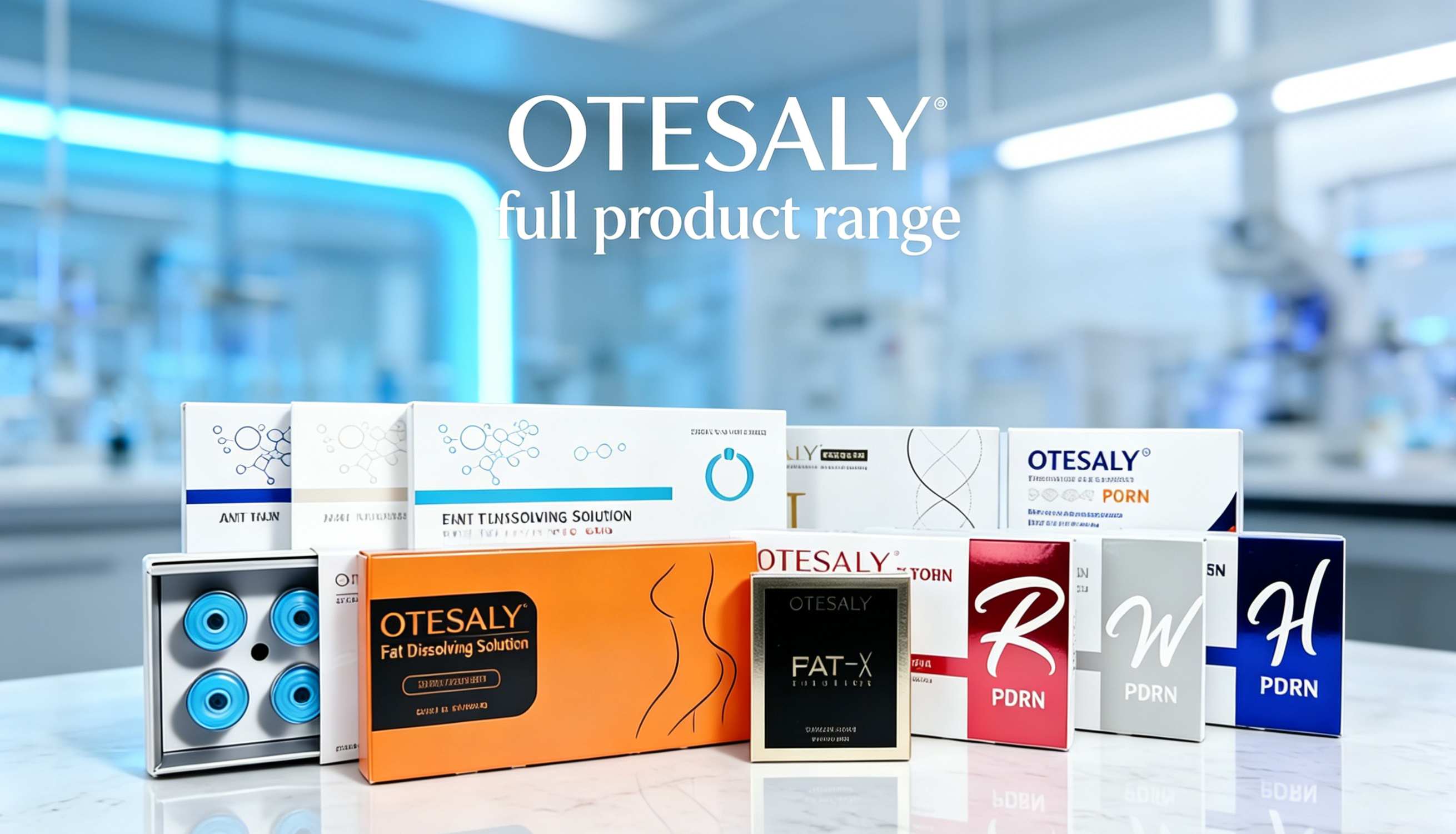
OTESALY® Meso PDRN, containing 9mg of high-purity PDRN per 3ml vial, meets the fundamental requirements of regenerative therapy and is the ideal flagship product for a clinic’s own brand range.
Moreover, PDRN often requires a full course of treatment to achieve the best results, resulting in higher patient return rates and sales of treatment packages.
Skin Boosters—the basic treatment with the highest repeat purchase rate
If PDRN is the repair, Skin Booster is the long-term maintenance. Almost all of the beauty seekers are looking for hydration, skin quality improvement or mild anti-aging. Therefore, Skin Booster is also one of the most easily continuously sold items in the clinic. It is suitable for more people than function products and also more easily integrated with other treatments.
The combination of Skin Booster after PDRN repair treatment not only enhances the overall treatment effect but also naturally prolongs the treatment duration for patients. These products have consistent demand and can attract long-term repeat purchases for institutions that want to do Skin Booster Bulk Order.
Fat Dissolving——Help clinics build high-ticket offerings
In light of the increasing demand for non-surgical shaping procedures, fat injection has become an important source of income for an increasing number of clinics.
The investment threshold of Fat Dissolving treatment is lower than buying expensive equipment, but it can cover many high-value projects like double chin reduction, facial contouring, local fat improvement, etc. If institutions want to expand their service menu, the Wholesale Fat Dissolving product means not only adding another treatment option, but also entering the fastest growing body shaping market.
Collagen Stimulator——Positioning for future premium anti-aging market
Consumers are increasingly looking for natural, gradual rejuvenation results. Unlike immediate fillers, collagen stimulators stimulate the body’s own collagen production, which results in a more natural outcome and longer lasting effects.
These products have longer treatment cycles but can generate better patient loyalty and more stable treatment revenue.
Therefore, more clinics are adding collagen lift solutions to their premium anti-aging product portfolios.