
Laser procedures can improve skin texture, pigmentation, and visible signs of aging, but they may also temporarily disrupt the skin barrier, leaving skin more vulnerable to moisture loss, irritation, and environmental stress. For aesthetic clinics and skincare distributors, understanding skin barrier repair after laser is essential when developing evidence-informed aftercare protocols and selecting complementary skincare products.
Ceramides and hyaluronic acid support different but complementary aspects of skin recovery. Ceramides help reinforce the skin's protective lipid barrier, while hyaluronic acid attracts and retains water to support hydration. When selected according to the procedure performed and the patient's recovery stage, these ingredients can form part of a structured post-procedure skincare strategy.
For B2B buyers, the opportunity lies in offering suitable, clearly positioned skincare products that complement professional treatments while meeting clinic requirements for product quality, formulation transparency, and reliable supply.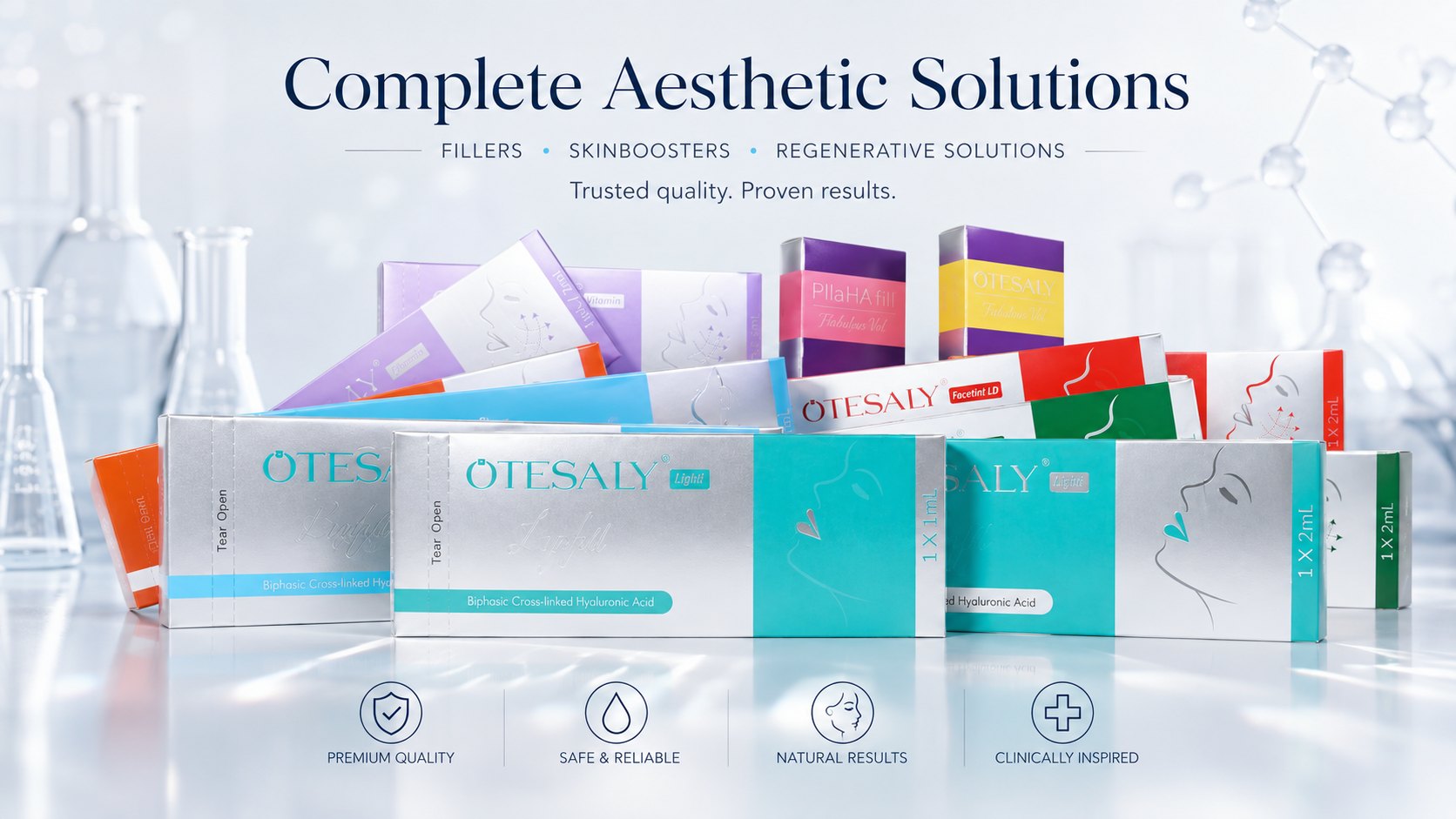
What Is Skin Barrier Repair After Laser and Why It Happens?
The skin barrier is primarily formed by the stratum corneum, the outermost layer of the epidermis. Its structure is often compared to a brick wall: corneocytes act as the bricks, while lipids—including ceramides, cholesterol, and free fatty acids—form the mortar. This arrangement helps limit transepidermal water loss (TEWL) and protects the skin against external irritants.
Laser treatments affect this barrier to different degrees. Non-ablative lasers primarily heat targeted structures while preserving much of the epidermal surface. Ablative procedures, including fractional CO₂ laser resurfacing, intentionally remove or disrupt portions of the epidermis to stimulate renewal. Temporary redness, dryness, sensitivity, and increased water loss may follow, particularly after more intensive treatments.
During recovery, the skin needs time to restore its protective structure. Ceramides help replenish barrier lipids, while hyaluronic acid supports hydration by binding water. Neither ingredient replaces appropriate wound care, but both can contribute to a carefully designed recovery regimen.
For clinics, the priority is to match the formulation and application timing to the procedure's intensity, the patient's skin condition, and the treating clinician's instructions.
Why Ceramides Matter
Ceramides are naturally occurring lipids that play a central role in maintaining the skin's permeability barrier. When the barrier is disrupted, a well-formulated moisturizer containing ceramides may help support lipid organization and reduce moisture loss.
A suitable ceramide moisturizer can therefore be considered as part of a post-laser skincare strategy once the treating clinician confirms that topical moisturizer use is appropriate.
Clinics should assess more than the presence of ceramides on an ingredient list. The overall formulation, fragrance content, preservatives, texture, and compatibility with compromised skin all influence product suitability. A simple, well-tolerated formulation is generally preferable during the early recovery phase.
Why Hyaluronic Acid Matters
Hyaluronic acid (HA) is a water-binding molecule used in topical skincare to improve skin hydration. Depending on its molecular weight and formulation, it can contribute to hydration at different levels of the stratum corneum and help improve the feel of dry, tight skin.
Unlike ceramides, HA does not replace the skin's intercellular lipids. Its role is complementary: it helps maintain hydration while barrier-supporting moisturizers help reduce water loss.
A 2025 prospective, randomized, controlled study involving 60 patients evaluated a skincare regimen containing a multimolecular HA complex after ablative fractional CO₂ laser treatment. On day 14, the HA group had lower TEWL than the control group (16.69 versus 19.79; p = 0.009). The study also reported lower erythema measurements at days 3, 7, and 14. These results support further consideration of topical HA in post-laser care, although they should not be generalized to every formulation or procedure. Read the clinical study on hyaluronic acid after CO2 laser.
An international expert consensus published in 2026 also identified ceramides and hyaluronic acid among the ingredients considered appropriate across multiple aesthetic procedure categories and treatment stages. The authors emphasized that tolerability, formulation quality, and the degree of barrier disruption matter when selecting post-procedure skincare. Review the consensus on ceramides and hyaluronic acid in post-procedure skincare.
How Dermal Fillers Address It: The Role of Topical Barrier Support
Although dermal fillers and skin-repair skincare may be included in the same aesthetic practice, they serve different purposes. Dermal fillers are not a treatment for a disrupted skin barrier after laser resurfacing. The immediate priority is appropriate wound care, hydration, protection, and restoration of the epidermal barrier—not adding another injectable procedure.
For clinics and distributors, understanding this distinction helps establish realistic product positioning and avoids confusing injectable treatments with topical aftercare.
A Complementary Approach: Ceramides Plus Hyaluronic Acid
A well-planned skincare regimen can combine two complementary functions:
-
Barrier lipid support: Ceramides help reinforce the lipid matrix that limits excessive water loss.
-
Hydration support: Hyaluronic acid binds water and helps maintain skin hydration.
-
Moisture retention: An appropriate moisturizer can help reduce water loss and improve comfort.
-
Tolerability: A simple formulation with a low irritation potential may be more suitable for recovering skin than a complex regimen with multiple active ingredients.
The right balance depends on the procedure. Skin following non-ablative laser treatment may tolerate a broader range of products than skin with an open or incompletely re-epithelialized surface after ablative resurfacing.
Evidence and Product Selection
The 2026 international expert consensus evaluated 44 skincare actives across different procedure types and treatment stages. Fourteen experts participated in the consensus process. Ceramides, hyaluronic acid, cholesterol, niacinamide, and peptides were considered appropriate across the procedure categories assessed.
However, this was an expert-consensus study rather than a clinical trial proving that every combination of these ingredients improves healing. It also did not establish one universally optimal concentration or formulation.
When evaluating OTESALY Facial Cream or the OTESALY hyaluronic acid serum, professional buyers should review the product's full ingredient list, intended application, available product documentation, and suitability for the specific aftercare setting.
For clinics developing a broader post-procedure skincare offering, the goal should be a consistent, clinician-approved routine rather than simply maximizing the number of products used.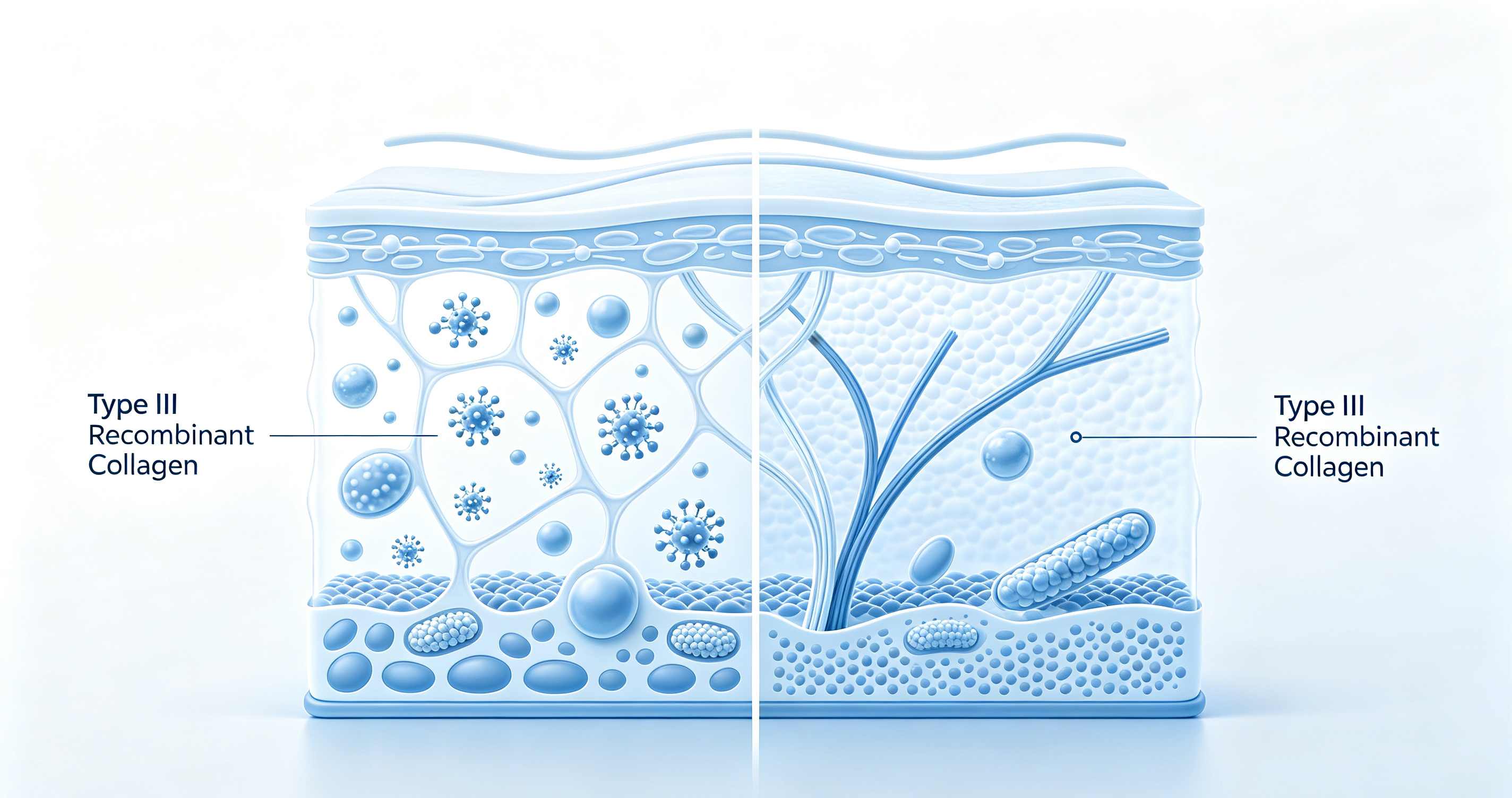
Treatment Approach: What to Expect During Post-Laser Recovery
A structured aftercare protocol helps clinics deliver consistent guidance while reducing the risk of inappropriate product use. The following framework should be adapted to the laser modality, treatment depth, and individual patient's recovery.
Step 1: Assess the Procedure and Skin Condition
Before recommending skincare, establish whether the procedure was ablative or non-ablative, how much barrier disruption occurred, and whether the skin remains open, weeping, crusted, or unusually inflamed.
For ablative procedures, follow the treating clinician's wound-care instructions closely. Do not assume that a serum, cream, or mask is appropriate simply because it contains moisturizing ingredients.
Step 2: Prioritize Gentle Cleansing and Prescribed Wound Care
During early recovery, use only the cleansing and wound-care measures approved by the treating clinician. Avoid scrubbing, exfoliating brushes, fragranced products, and unnecessary active ingredients.
If the skin is not yet re-epithelialized, topical products should be used only when their application is appropriate for the wound status and specifically supported by the clinical protocol.
The American Academy of Dermatology's guidance on laser treatment for scars emphasizes following professional aftercare instructions and protecting treated skin while it heals.
Step 3: Introduce Hyaluronic Acid When Appropriate
Once the clinician confirms that topical skincare is suitable, a well-tolerated HA product may help address tightness and dryness associated with reduced skin hydration.
For example, hyaluronic acid for sensitive skin is a useful product-positioning concept for clinics evaluating gentle hydration solutions. However, a sensitive-skin label alone does not establish suitability for freshly lasered or open skin.
A single use hyaluronic acid essence may also be considered when a clinic's protocol calls for an individually packaged format. Buyers should verify the packaging, ingredient composition, intended use, and sterility status rather than assuming that single-use packaging means a product is sterile.
Step 4: Add Barrier-Supporting Moisturizer
When permitted by the aftercare protocol, a moisturizer containing suitable barrier-supporting ingredients can complement hydration-focused products.
Clinics assessing OTESALY Facial Cream should evaluate whether its formulation fits the intended recovery stage and patient population. The order and frequency of application should follow the product directions and clinician's instructions; more layers do not necessarily mean faster recovery.
Step 5: Evaluate Masks and Other Optional Products
Masks can provide a convenient delivery format for hydration-focused skincare, but they are not automatically appropriate immediately after laser treatment. Occlusion, preservatives, fragrance, and other ingredients may affect tolerability.
When reviewing a hyaluronic acid facial mask, buyers should verify the actual formulation and intended indication. A product marketed for brightening or firming should not be presumed suitable for immediate post-laser use without supporting instructions and evidence.
Step 6: Protect the Skin and Monitor Recovery
Sun protection is an essential part of recovery once the skin can tolerate the recommended sunscreen. The AAD advises using broad-spectrum, water-resistant sunscreen with SPF 30 or higher on skin that can be protected with sunscreen, alongside shade and protective clothing.
Clinics should also provide clear escalation instructions. Increasing pain, spreading redness, pus, blistering, fever, or other unexpected symptoms warrant prompt clinical assessment. Patients should not attempt to manage suspected complications by adding more skincare products.
Conclusion
Effective skin barrier repair after laser depends on matching skincare to the procedure, recovery stage, and patient's individual needs. Ceramides help support the skin's protective lipid barrier, while hyaluronic acid contributes hydration. Clinical evidence and expert consensus support considering both ingredients in appropriate post-procedure skincare, although product-specific safety and efficacy must be assessed independently.
For clinics, brand owners, and distributors, a well-planned aftercare range can complement aesthetic services and support consistent patient guidance. Product quality, transparent documentation, and appropriate usage instructions should remain central to purchasing decisions.
Explore OTESALY's skincare portfolio and contact OTESALY for wholesale pricing, OEM/ODM solutions, and product documentation to discuss your business requirements.
Frequently Asked Questions
1. How does skin barrier repair after laser treatment work?
Skin barrier repair after laser treatment involves restoration of the epidermis, recovery of the stratum corneum's lipid organization, and normalization of moisture retention. Ceramides support the lipid barrier, while hyaluronic acid helps maintain hydration. Recovery time depends on the laser type, treatment intensity, and individual skin response. Skincare supports the process but does not replace appropriate wound care or clinical follow-up.
2. Is hyaluronic acid after CO2 laser treatment beneficial?
Research suggests that topical hyaluronic acid may support hydration and selected recovery outcomes after fractional CO₂ laser treatment. A 2025 controlled study involving 60 patients reported lower transepidermal water loss and erythema measurements in the HA group at specified follow-up points. These findings are encouraging but do not establish that every HA product is appropriate for immediate use after ablative treatment. Clinician guidance remains essential.
3. Can ceramides and hyaluronic acid be used together after laser resurfacing?
Ceramides and hyaluronic acid have complementary functions: ceramides support the skin's lipid barrier, whereas HA binds water. They may be useful components of a post-procedure skincare regimen when the formulation and timing are appropriate. However, using both ingredients does not guarantee faster healing. Clinics should consider the complete ingredient list, the patient's skin condition, and whether the treated surface has sufficiently recovered for topical application.
4. Which ceramide moisturizer is suitable for sensitive skin after laser treatment?
A suitable moisturizer should have a well-characterized formulation, appropriate directions for use, and acceptable tolerability for the intended patient population. Fragrance, preservatives, and additional active ingredients should be reviewed carefully. Products designed for sensitive skin are not automatically appropriate for open or freshly resurfaced skin. For clinic purchasing decisions, request ingredient documentation and product-specific guidance before incorporating a moisturizer into an early post-laser protocol.
5. When can clinics recommend hyaluronic acid serum after laser treatment?
Timing depends on the procedure and the condition of the treated skin. After some non-ablative procedures, a clinician may permit gentle skincare relatively early. Ablative treatments require more careful wound management, and serum application may need to wait until the appropriate healing stage. Clinics should follow the treating professional's instructions and the product's intended use rather than applying a fixed timeline to every laser procedure.

