
Uneven skin tone, stubborn pigmentation, and dullness are common concerns among clients seeking professional skin rejuvenation. However, traditional brightening skincare products may not always provide the level of improvement clients expect, particularly when pigmentation is persistent or associated with multiple underlying factors. Skin whitening mesotherapy offers an alternative professional approach by introducing targeted skin-brightening formulations into the skin through appropriate treatment techniques. When combined with microneedling, this approach may support more effective topical ingredient delivery and skin renewal. For aesthetic clinics and distributors, understanding the science behind this combination is essential for selecting suitable formulations, developing treatment programs, and meeting the growing demand for professional skin-brightening solutions.
What Is Skin Whitening Mesotherapy and Why Does It Happen?
Understanding Skin Whitening Mesotherapy
Skin whitening mesotherapy is a professional aesthetic treatment approach designed to improve the appearance of uneven skin tone, pigmentation, and dullness through formulations containing skin-brightening and skin-conditioning ingredients.
Unlike ordinary skincare products applied only to the skin surface, mesotherapy uses specialized application techniques to deliver suitable formulations to targeted skin areas. Depending on the product's regulatory status, intended use, and instructions for use, these techniques may include professional mesotherapy devices or other approved delivery methods.
The objective is not to change a person's natural skin color but to address excessive pigmentation, improve visible skin clarity, and promote a more even-looking complexion.
A typical skin-brightening formulation may contain several functional ingredients:
-
Arbutin: Helps regulate melanin production by influencing tyrosinase activity, making it a commonly used ingredient in pigmentation-focused skincare.
-
Vitamin C: Provides antioxidant protection and supports a brighter-looking complexion by helping address oxidative stress.
-
Hyaluronic Acid: Supports skin hydration and improves the appearance of skin smoothness.
-
Biomimetic peptides: Depending on their specific composition, certain peptides may support skin conditioning and help maintain a healthy-looking skin environment.
These ingredients work through different mechanisms, which is why multi-ingredient formulations are often considered when developing professional skin-brightening programs.
Why Does Skin Become Dull or Pigmented?
Skin pigmentation is primarily influenced by melanin, a natural pigment produced by melanocytes. Melanin helps protect the skin against ultraviolet radiation, but excessive or uneven production can lead to visible discoloration.
Several factors contribute to pigmentation problems:
1. UV exposure
Sunlight stimulates melanin production. Repeated exposure without adequate protection can contribute to sunspots, uneven pigmentation, and worsening melasma.
2. Hormonal changes
Hormonal fluctuations may influence melanocyte activity and contribute to melasma, particularly in individuals with a predisposition to pigmentation.
3. Post-inflammatory hyperpigmentation
Acne, irritation, skin injuries, and inflammatory conditions can trigger excess melanin production during the healing process, leaving dark marks behind.
4. Oxidative stress and skin aging
Environmental pollution, UV exposure, and other sources of oxidative stress can affect skin appearance and contribute to dullness and uneven tone.
For clinics, identifying the underlying cause is important because not every pigmentation concern responds to the same treatment approach. Melasma, sun-induced pigmentation, and post-inflammatory hyperpigmentation require individualized assessment.
According to the American Academy of Dermatology (AAD) guidance on melasma treatment, treatment planning may combine sun protection, topical medication, and selected professional procedures, including microneedling.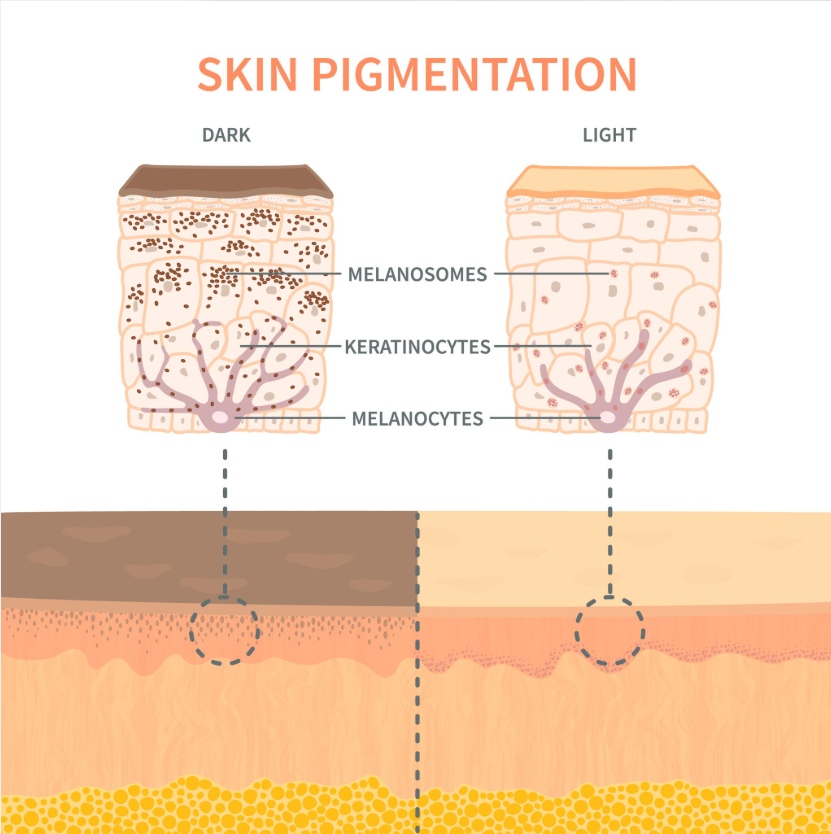
How Skin Whitening Mesotherapy and Microneedling Work Together
The Role of Skin Whitening Mesotherapy
Skin whitening mesotherapy focuses on delivering suitable active ingredients through an appropriate professional treatment method.
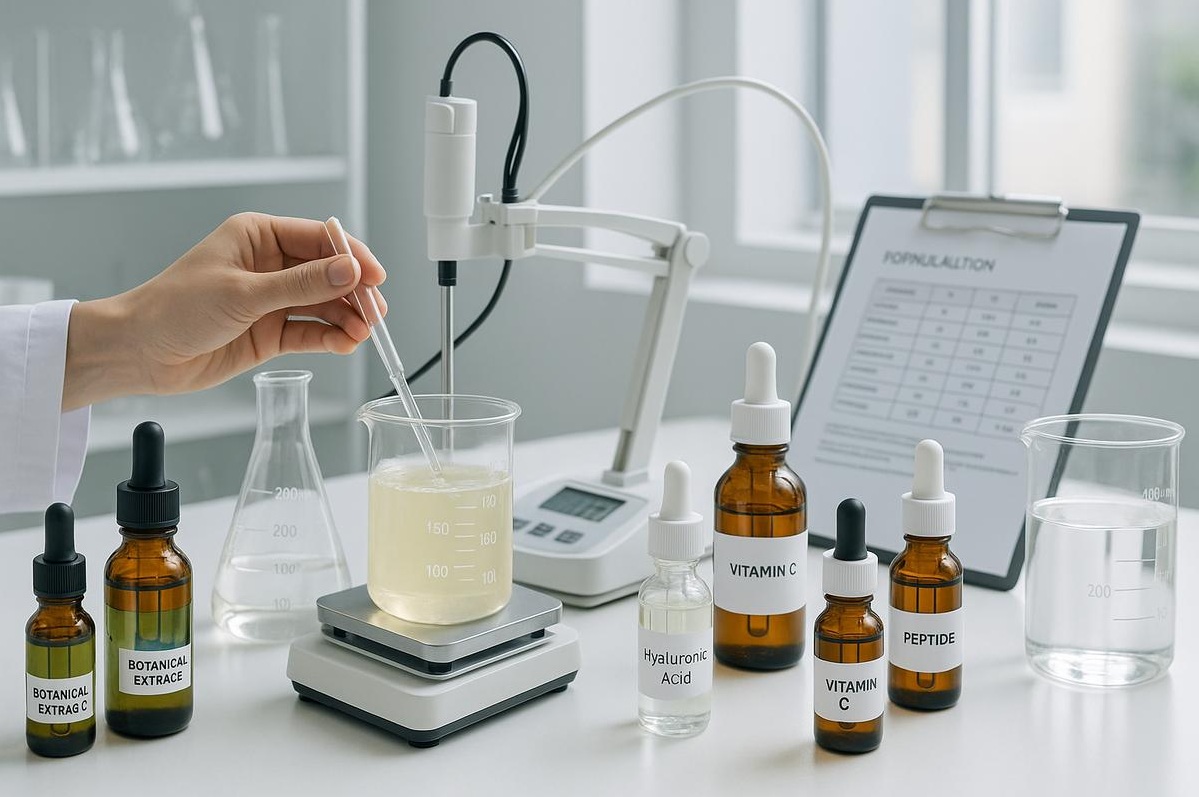
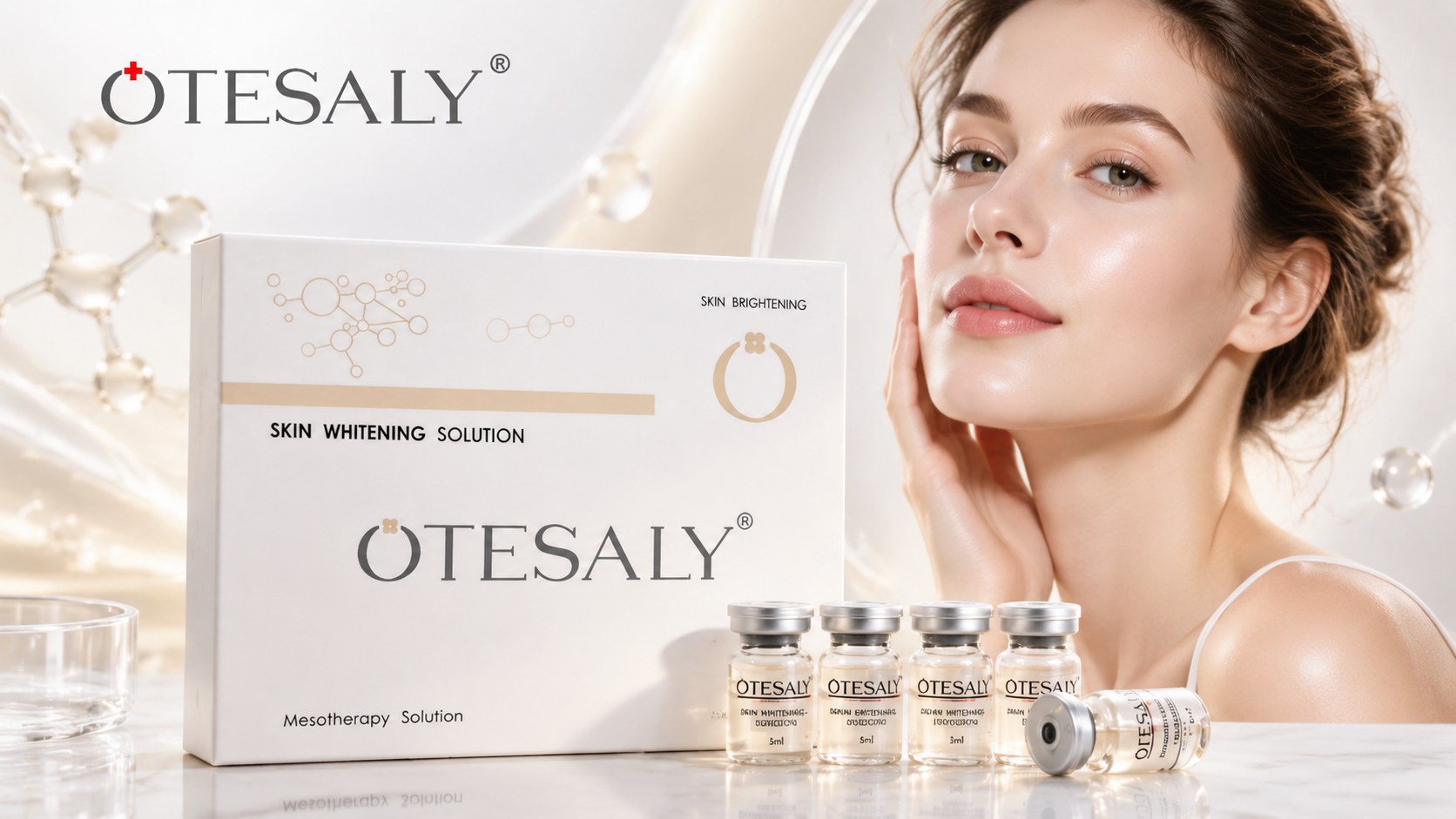
For example, OTESALY Skin Whitening Solution combines several ingredients intended to support pigmentation management and skin conditioning:
-
Arbutin
-
CG-ASP
-
CG-TGP2
-
Vitamin C
-
Hyaluronic Acid
The formulation is designed to address uneven skin tone, dullness, and visible pigmentation while supporting skin hydration.
The product is available in a 5 mL × 10-vial specification, making it a potential addition to professional aesthetic product portfolios.
For clinics evaluating a dull skin brightening injection or mesotherapy solution, ingredient composition, intended application route, sterility, product documentation, and local regulatory requirements should all be considered before introducing a product into a treatment program.
Explore the OTESALY Skin Whitening Solution for additional product specifications.
How Microneedling Enhances the Treatment Approach
Microneedling uses fine needles to create controlled microscopic channels in the skin. These temporary microchannels trigger a wound-healing response and may facilitate the delivery of appropriately formulated topical products.
Its potential contribution to pigmentation-focused treatments can be understood through three mechanisms:
1. Enhanced delivery of suitable topical ingredients
The temporary microchannels created by microneedling may increase the penetration of compatible topical formulations compared with application onto intact skin.
However, not every serum or injectable product is suitable for microneedling. Formulations must be specifically designed and authorized for the intended application route. Products intended for injection should not automatically be assumed suitable for topical needling, or vice versa.
2. Support for skin renewal
Microneedling stimulates the skin's natural repair processes. This response may contribute to improvements in skin texture and overall appearance over time.
3. Complementary treatment mechanisms
When appropriately selected brightening ingredients are incorporated into a professional treatment plan, microneedling may complement their intended effects by combining ingredient delivery with controlled skin renewal.
Research published in dermatological literature has explored the combination of microneedling and mesotherapy for pigmentation concerns. A review of available evidence suggests that combining less aggressive needling techniques with suitable topical agents or mesotherapy may offer promising results for selected pigmentation conditions. Nevertheless, further controlled clinical research is needed to establish standardized protocols and long-term outcomes.
Read more about the microneedling and mesotherapy combination and its potential applications in dermatological treatments.
Why Clinics Are Considering Combination Treatments
A microneedling meso combo treatment offers clinics an opportunity to develop treatment programs that address more than one skin concern.
Rather than focusing exclusively on pigmentation, practitioners can consider the overall condition of the skin, including hydration, texture, and visible signs of environmental damage.
For example, a professional skin-brightening program may involve:
-
A suitable pigmentation-focused formulation.
-
An appropriately selected microneedling procedure.
-
Supporting skin hydration and barrier-care products.
-
Consistent sun protection and post-treatment skincare.
The combination should always be based on individual skin assessment, product compatibility, and professional treatment guidelines rather than assuming that deeper delivery automatically produces better results.
Treatment Approach: What to Expect
For aesthetic clinics, establishing a consistent treatment workflow helps improve treatment planning, product selection, and client communication.
The following steps provide a general framework for a professional skin-brightening program.
Step 1: Assess Skin Condition and Pigmentation Type
Before treatment, practitioners should evaluate the client's skin condition and identify the possible causes of discoloration.
Important considerations include:
-
Whether pigmentation is associated with melasma, sun exposure, or post-inflammatory changes.
-
Skin sensitivity and current barrier condition.
-
History of previous aesthetic treatments.
-
Potential contraindications, including active infections or inflammatory skin conditions.
-
Fitzpatrick skin type and the possibility of post-inflammatory hyperpigmentation.
Clients with active melasma or a history of pigmentary complications may require a more conservative approach.
Step 2: Select an Appropriate Brightening Formulation
The next step is selecting a formulation according to the treatment objective and intended application route.
For clinics seeking a dedicated skin-brightening solution, OTESALY offers a formulation containing Arbutin, Vitamin C, Hyaluronic Acid, and biomimetic peptides.
Another option within the product portfolio is the W-PDRN whitening serum, which represents a different formulation approach for professional skin-brightening and skin-conditioning programs.
When evaluating these products, practitioners should review the complete ingredient list, product documentation, and approved instructions for use. The formulation should only be administered through a route for which it is specifically intended and authorized.
Step 3: Prepare the Skin and Treatment Environment
Proper preparation is essential for minimizing unnecessary irritation and supporting a controlled treatment process.
This stage generally involves:
-
Thorough skin cleansing.
-
Appropriate antiseptic preparation when required by the procedure.
-
Examination of the treatment area.
-
Selection of suitable, sterile, single-use microneedling components.
-
Confirmation that the selected formulation is compatible with the intended procedure.
Professional hygiene standards and product handling procedures should be maintained throughout the treatment.
Step 4: Perform the Selected Professional Treatment
The practitioner determines whether microneedling, mesotherapy, or another approved application technique is appropriate.
If microneedling is selected, needle depth, device settings, treatment intensity, and product compatibility must be determined by a qualified practitioner.
A product designed for injection must not be applied through microneedling unless its manufacturer explicitly confirms that this application is permitted and the relevant regulatory requirements are satisfied.
The purpose is to achieve a controlled procedure without creating unnecessary skin trauma.
Step 5: Provide Post-Treatment Care
Post-treatment care plays an important role in maintaining skin comfort and reducing the risk of irritation-related pigmentation.
Recommended considerations include:
-
Use gentle skincare products.
-
Avoid unnecessary friction and irritating active ingredients during the initial recovery period.
-
Follow practitioner-specific instructions regarding cleansing and moisturizing.
-
Avoid excessive heat and direct sunlight while the skin is recovering.
-
Apply broad-spectrum sunscreen with SPF 30 or higher once appropriate for the treated skin.
-
Consider tinted sunscreen containing iron oxides for clients with melasma, where appropriate.
The AAD emphasizes that consistent sun protection is essential for managing melasma and helping reduce the risk of pigmentation returning.
Step 6: Evaluate Progress and Adjust the Treatment Plan
Skin-brightening treatments generally require time and ongoing assessment.
Practitioners can document progress using standardized photography and consistent lighting conditions. Follow-up evaluations help determine whether the treatment approach should be continued, modified, or discontinued.
Rather than promising immediate whitening results, clinics should communicate realistic expectations and emphasize long-term pigmentation management.
Conclusion
Skin whitening mesotherapy offers aesthetic clinics another approach to addressing dullness, uneven skin tone, and visible pigmentation. When combined appropriately with microneedling, it may support topical ingredient delivery while complementing the skin's natural renewal processes. However, treatment success depends on accurate pigmentation assessment, suitable formulations, professional application, and consistent post-treatment care. For clinics and distributors, selecting a reliable supplier is equally important. OTESALY provides professional skin-brightening and mesotherapy solutions for international B2B partners. Contact OTESALY today to discuss skin-brightening product specifications, wholesale pricing, and customized OEM/ODM cooperation opportunities.
FAQ
1. What Is the Difference Between Skin Whitening Mesotherapy and Regular Skin-Brightening Skincare?
Skin whitening mesotherapy uses specialized professional formulations and application techniques, whereas regular brightening skincare is generally applied to the skin surface. Both approaches may incorporate ingredients such as Vitamin C or Arbutin, but their delivery methods and intended uses differ. Product selection should be based on formulation, safety documentation, and the appropriate application route.
2. Can Microneedling Whitening Treatment Improve Uneven Skin Tone?
A microneedling whitening treatment combines controlled skin needling with suitable brightening skincare formulations. Microneedling may support topical ingredient delivery and stimulate natural skin repair processes. However, outcomes depend on pigmentation type, skin condition, treatment parameters, and product compatibility. It should be performed by appropriately trained professionals following established safety protocols.
3. Is OTESALY Skin Whitening Injection Suitable for Microneedling?
The OTESALY Skin Whitening Solution is marketed for professional skin-brightening applications and lists several application methods on its product information page. However, clinics should verify the latest manufacturer instructions, product registration, and permitted application routes before use. An injectable formulation should never be assumed suitable for microneedling without explicit confirmation of compatibility and authorization.
4. What Ingredients Should Clinics Look for in a Skin Tone Correction Meso Formula?
A skin tone correction meso formulation may include ingredients with complementary functions. Arbutin is associated with melanin regulation, Vitamin C provides antioxidant support, and Hyaluronic Acid contributes to hydration. Certain peptides may offer additional skin-conditioning benefits. Clinics should evaluate the complete formulation, ingredient concentrations, stability, sterility, supporting documentation, and suitability for the intended treatment.
5. How Can Clinics Source Skin Brightening Injectable Wholesale Products?
Clinics, distributors, and aesthetic product wholesalers should assess supplier reliability, manufacturing standards, product specifications, documentation, and international shipping capabilities. It is also important to confirm whether products meet the regulatory requirements of the destination market. OTESALY offers a range of professional mesotherapy solutions, including options for distributors interested in wholesale procurement and OEM/ODM cooperation.

