
Hair thinning, excessive shedding, and reduced hair density are common concerns among patients seeking professional hair restoration solutions. For aesthetic clinics and distributors, understanding emerging regenerative ingredients is increasingly important when expanding treatment portfolios. H-PDRN hair growth solutions have attracted attention because of the potential role of polynucleotides in supporting tissue repair, cellular activity, and scalp health.
H-PDRN, a hair-focused formulation based on polydeoxyribonucleotide (PDRN), is being explored as an ingredient in advanced scalp care and injectable mesotherapy products. Its proposed mechanisms involve cellular signaling, tissue regeneration, and improved microcirculation. Although further clinical research is needed to establish its effectiveness for hair restoration, H-PDRN represents an interesting development in regenerative aesthetic medicine.
What Is H-PDRN and Why Does Hair Loss Happen?
Understanding H-PDRN and PDRN
PDRN stands for polydeoxyribonucleotide, a group of DNA-derived fragments investigated for their regenerative and tissue-repair properties. In aesthetic medicine, PDRN has attracted interest because of its potential involvement in cellular repair processes and inflammatory regulation.
H-PDRN refers to a hair-focused PDRN formulation developed for scalp and hair-care applications. Rather than functioning as a conventional cosmetic ingredient that simply coats the hair shaft, PDRN is studied for its potential biological interactions with skin cells and the surrounding tissue environment.
Several proposed mechanisms help explain its potential relevance to hair restoration:
-
Adenosine A2A receptor activation: PDRN can interact with adenosine A2A receptor pathways, which are associated with anti-inflammatory responses and tissue repair.
-
Angiogenesis support: Research suggests that PDRN may influence vascular endothelial growth factor (VEGF) signaling, potentially supporting the formation of new blood vessels.
-
Cellular regeneration: PDRN may provide nucleotide building blocks through the nucleotide salvage pathway, which contributes to cellular maintenance and repair.
-
Inflammatory regulation: Its proposed anti-inflammatory activity may help create a more favorable environment for tissue recovery.
These mechanisms provide a scientific rationale for investigating PDRN in scalp treatments, although they do not independently establish clinical hair regrowth outcomes.
Why Does Hair Loss Occur?
Hair loss is a multifactorial condition. Understanding its underlying causes is essential before selecting a suitable treatment strategy.
The most common contributing factors include:
1. Androgenetic alopecia
Also known as hereditary pattern hair loss, this condition is associated with genetic susceptibility and sensitivity to androgens. Over time, affected follicles undergo miniaturization, producing progressively thinner and shorter hair.
2. Reduced scalp microcirculation
The scalp requires an adequate supply of oxygen and nutrients to maintain normal tissue function. Changes in the local vascular environment may influence follicular health, although reduced circulation is not considered the primary cause of every type of hair loss.
3. Chronic inflammation
Inflammatory processes around hair follicles may contribute to certain forms of hair loss. Persistent inflammation can interfere with the normal follicular environment and hair growth cycle.
4. Hormonal and nutritional factors
Hormonal fluctuations, iron deficiency, thyroid disorders, nutritional deficiencies, and certain medications may contribute to excessive shedding or changes in hair density.
5. Stress and lifestyle factors
Physical stress, illness, rapid weight loss, insufficient nutrition, and other lifestyle factors can trigger temporary hair shedding, including telogen effluvium.
For healthcare professionals, identifying the underlying cause is more important than selecting a product based solely on its ingredients.
How H-PDRN-Based Scalp Treatments May Support Hair Growth
Although dermal fillers and hair restoration injectables belong to the broader field of aesthetic medicine, they serve different purposes. Conventional dermal fillers primarily restore volume or improve contour, whereas H-PDRN-based products are investigated for their potential regenerative applications in scalp care.
1. Supporting the Scalp's Regenerative Environment
Healthy hair growth depends on the interaction between hair follicle cells, surrounding connective tissue, blood vessels, and local signaling molecules.
PDRN has been investigated for its ability to support tissue repair through adenosine A2A receptor activation and nucleotide metabolism. These biological pathways may contribute to a healthier tissue environment.
For hair-focused applications, the objective is to investigate whether these regenerative properties can support the biological conditions associated with normal follicular activity.
2. Potentially Supporting Microcirculation
The dermal papilla plays an important role in regulating hair follicle development and growth. It interacts with surrounding cells and signaling molecules that influence the hair growth cycle.
PDRN-related VEGF signaling has been investigated in tissue regeneration research. VEGF is involved in angiogenesis, the process through which new blood vessels develop.
Improved vascular support could theoretically contribute to oxygen and nutrient delivery around follicles. However, the extent to which this mechanism produces measurable improvements in human hair density requires further investigation.
3. Helping Regulate Inflammatory Responses
A balanced scalp environment is important for maintaining follicular function.
PDRN has demonstrated anti-inflammatory activity in other tissue-repair research, including pathways involving inflammatory mediators such as TNF-α and IL-6.
This has encouraged researchers to explore its potential in regenerative scalp treatments. It is important to distinguish these proposed biological effects from proven clinical outcomes in different types of alopecia.
4. What Does Current Research Say About PDRN Hair Follicle Regeneration?
Scientific interest in PDRN for hair restoration is growing, although the available clinical evidence remains limited.
A 2025 prospective study published in Archives of Dermatological Research investigated polynucleotide treatment in 28 patients with androgenetic alopecia. Participants received four injection sessions at four-week intervals, with hair diameter and density assessed using dermoscopic analysis.
The study provides an early clinical basis for further investigation of polynucleotide-based hair restoration approaches. However, the small sample size and limited study design mean that larger controlled clinical trials are needed before definitive conclusions can be drawn.
For additional scientific background, readers can explore research on PDRN hair follicle regeneration.
Clinics should also consider established diagnostic and treatment approaches when developing hair restoration protocols. The American Academy of Dermatology's hair loss diagnosis and treatment guidance provides useful clinical background.
5. Exploring H-PDRN Products for Professional Scalp Care
For aesthetic clinics and distributors, H-PDRN products offer an opportunity to explore the growing regenerative scalp-care category.
For example, the H-PDRN hair growth serum is part of OTESALY's hair-focused product portfolio.
Professional buyers evaluating an OTESALY H-PDRN injection should review the formulation, ingredient specifications, intended administration method, product documentation, and regulatory status for their target market.
Other relevant product categories include polynucleotide scalp injection solutions and specialized hair follicle stimulation injection formulations.
These products should not be assumed to have interchangeable compositions or clinical indications. Product selection and administration must follow the manufacturer's instructions and applicable local regulations.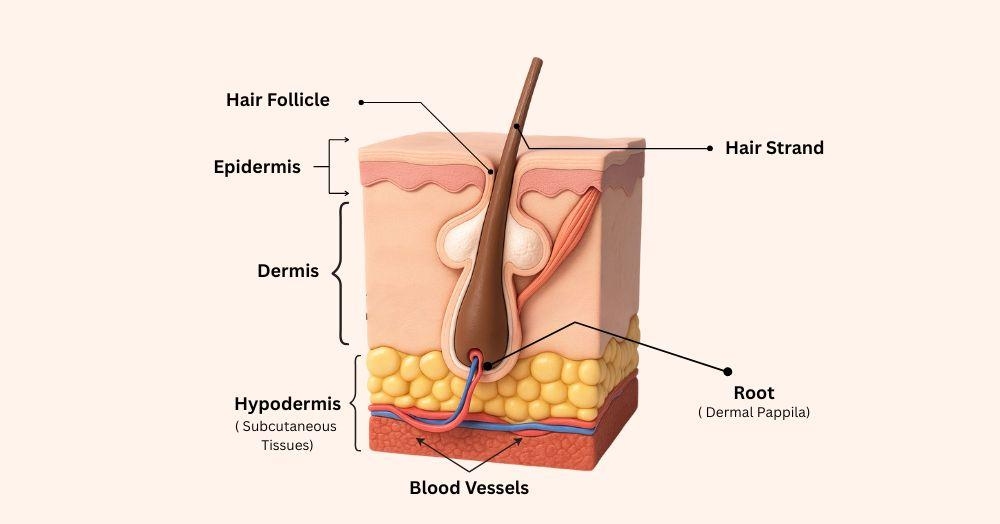
Treatment Approach / What to Expect
For clinics considering H-PDRN as part of a professional hair-care portfolio, a structured treatment approach is essential.
The following outlines general considerations for evaluating a PDRN-based scalp treatment. It is not a universal injection protocol, as treatment schedules and administration methods depend on the specific product and supporting clinical evidence.
Step 1: Assess the Patient's Scalp and Hair Condition
Before recommending any intervention, practitioners should evaluate the patient's hair-loss pattern, scalp condition, medical history, and possible contributing factors.
A professional assessment may include:
-
Reviewing the duration and progression of hair loss.
-
Examining scalp condition and follicular distribution.
-
Identifying possible hereditary or hormonal factors.
-
Considering relevant laboratory investigations when clinically indicated.
-
Determining whether the patient is an appropriate candidate for the proposed treatment.
Patients with unexplained, sudden, or patchy hair loss may require further dermatological evaluation.
Step 2: Select an Appropriate H-PDRN Formulation
Different PDRN-based products may vary in concentration, molecular characteristics, supporting ingredients, formulation, and intended application.
Practitioners should review:
-
PDRN concentration and ingredient specifications.
-
Product composition and quality documentation.
-
Intended application and administration method.
-
Storage and handling requirements.
-
Manufacturer instructions and regulatory documentation.
An injectable product must be specifically manufactured and authorized for its intended route of administration. A topical serum should not be treated as an injectable formulation.
Step 3: Establish a Professional Treatment Plan
Once product suitability has been confirmed, practitioners should develop an individualized treatment plan.
Depending on the product's intended use and available clinical evidence, the plan may consider treatment intervals, scalp assessment methods, and appropriate follow-up arrangements.
There is currently no universally established H-PDRN injection schedule for all types of hair loss. Clinics should avoid applying a single protocol to every patient.
Step 4: Monitor Changes Over Time
Hair growth is a gradual biological process. Immediate cosmetic changes should not be confused with actual improvements in follicular activity.
Clinics can use standardized scalp photography, dermoscopic assessment, and consistent hair-density measurements to monitor changes over time.
Relevant evaluation indicators include:
-
Hair density.
-
Hair shaft diameter.
-
Hair shedding patterns.
-
Scalp condition.
-
Patient-reported changes.
Consistent documentation helps practitioners evaluate treatment suitability and communicate realistic expectations.
Step 5: Review Long-Term Hair Restoration Strategies
H-PDRN should be considered within a broader hair restoration strategy rather than as a replacement for established medical treatments.
Depending on the diagnosis, practitioners may consider evidence-based options such as minoxidil, appropriate prescription treatments, or other professionally supervised procedures.
A comprehensive approach helps clinics provide more responsible treatment recommendations and develop long-term patient relationships.
Conclusion
H-PDRN represents an emerging area of interest in regenerative scalp care, with proposed mechanisms involving cellular repair, inflammatory regulation, and microcirculation support. Early research on polynucleotides provides a foundation for further investigation, although more robust clinical evidence is needed to establish their role in hair restoration.
For clinics, brand owners, and distributors, evaluating formulation quality, product documentation, and supplier reliability is essential when expanding into this category. OTESALY offers professional hair-care and mesotherapy product options for international B2B partners. Contact OTESALY today to discuss hair growth injectable wholesale opportunities, OEM/ODM solutions, and customized product sourcing for your business.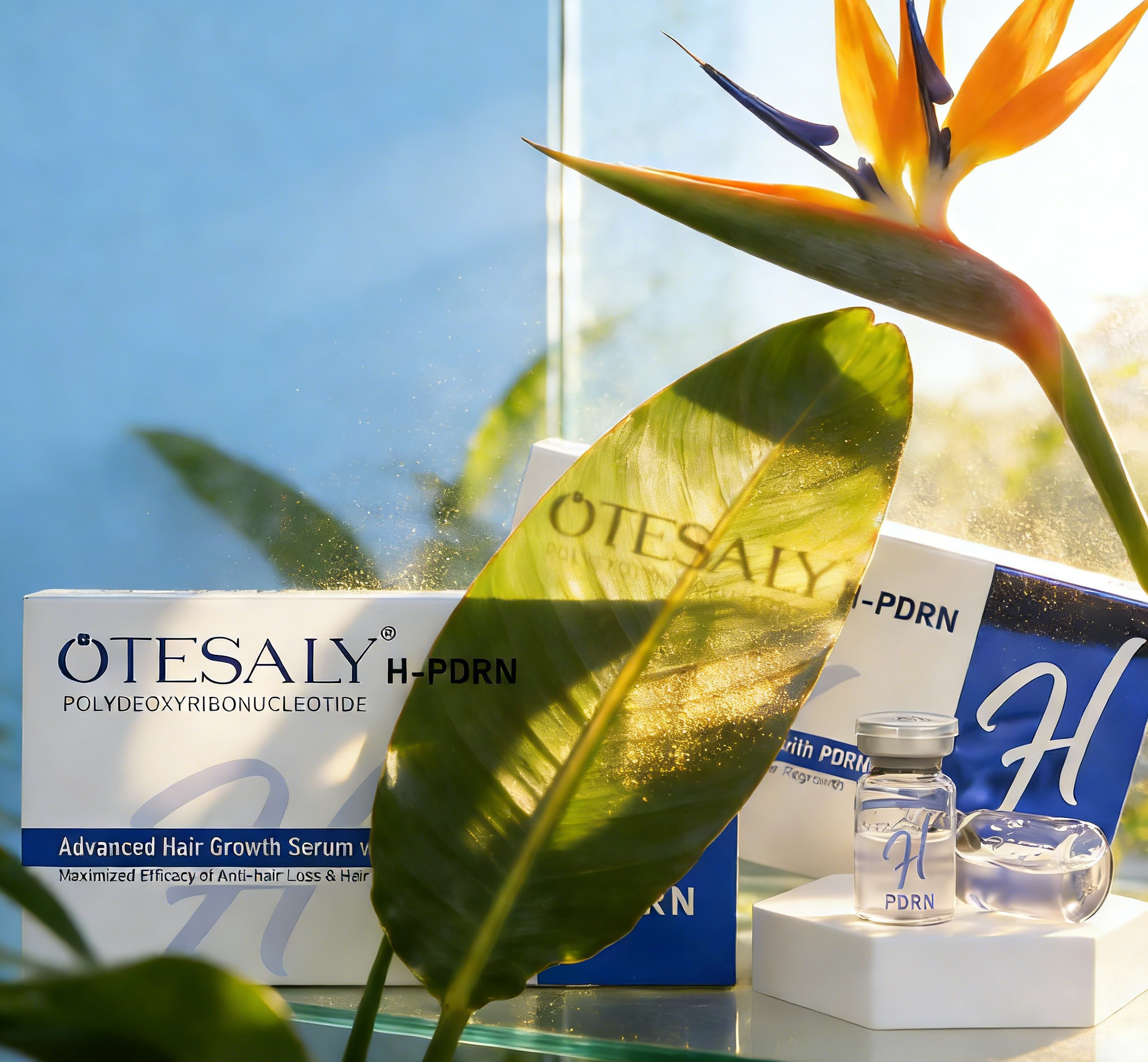
Frequently Asked Questions
1. What Is the Difference Between H-PDRN and Traditional PDRN?
PDRN refers to polydeoxyribonucleotide, a DNA-derived ingredient studied for tissue repair and regenerative applications. H-PDRN generally describes a hair-focused formulation incorporating PDRN for scalp-related applications. The actual differences depend on the manufacturer's composition, concentration, and intended use. Clinics should review technical documentation rather than assume that all H-PDRN products share identical formulations.
2. How Does a PDRN Hair Regrowth Treatment Work?
A PDRN hair regrowth treatment is investigated for its potential to support the scalp's regenerative environment. Proposed mechanisms include adenosine A2A receptor activation, inflammatory regulation, and VEGF-related angiogenesis. These pathways provide a scientific rationale for studying PDRN in hair restoration. However, clinical effectiveness, appropriate patient selection, and long-term outcomes still require stronger supporting evidence.
3. Is Polynucleotide Scalp Injection Suitable for Every Type of Hair Loss?
No. A polynucleotide scalp injection should not be considered a universal solution for hair loss. Hereditary alopecia, telogen effluvium, alopecia areata, and nutritional deficiencies have different underlying mechanisms and treatment requirements. A proper diagnosis is essential before selecting an intervention. Practitioners should also consider product-specific indications, contraindications, and local regulatory requirements.
4. What Should Clinics Consider When Choosing a Hair Growth Injectable Wholesale Supplier?
Clinics and distributors should evaluate ingredient specifications, manufacturing standards, batch traceability, quality-control documentation, packaging, storage requirements, and regulatory compliance. Reliable communication and consistent supply are equally important for long-term business relationships. Buyers should also verify that products are appropriately documented for their intended market and administration route before placing bulk orders.
5. Can Clinics Combine H-PDRN with Other Meso Hair Loss Treatments?
Clinics may explore different professional scalp-care categories when developing comprehensive hair restoration portfolios. However, combining H-PDRN with other mesotherapy products requires careful consideration of ingredient compatibility, product instructions, safety, and clinical evidence. Products should not be mixed or administered together without appropriate supporting documentation. Practitioners should develop individualized plans rather than assume that combining more ingredients produces better results.

