
Mesotherapy maintenance treatment is an important consideration for aesthetic clinics looking to help clients maintain improvements in skin hydration, texture, and overall skin quality. However, one question frequently arises after an initial treatment course: what happens when patients stop receiving mesotherapy?
Unlike permanent structural changes, the effects associated with many skin rejuvenation treatments are temporary and may gradually diminish over time. When treatment sessions are discontinued, improvements in hydration and skin appearance may become less noticeable as the skin continues its natural aging process. For clinic owners and aesthetic practitioners, understanding these changes is essential for setting realistic expectations, designing appropriate follow-up protocols, and maintaining consistent treatment outcomes.
This guide explores what happens after stopping mesotherapy, the factors influencing treatment longevity, and practical strategies for supporting long-term skin quality.
What Is Mesotherapy and Why Does It Happen?
Mesotherapy is a minimally invasive aesthetic technique involving the delivery of selected substances into the skin through multiple small injections. Depending on the formulation and treatment indication, these substances may include hyaluronic acid, vitamins, amino acids, peptides, and other ingredients used in skin-focused protocols.
In aesthetic practice, mesotherapy is commonly considered for improving skin hydration, texture, elasticity, and the appearance of early signs of aging.
How Does Mesotherapy Work?
The effects of mesotherapy depend on the ingredients used, their formulation, injection technique, treatment depth, and individual skin characteristics.
For example:
-
Hyaluronic acid (HA): Helps attract and retain water, supporting skin hydration and a smoother appearance.
-
Vitamins: Certain vitamins are incorporated into formulations designed to support skin health and antioxidant protection.
-
Amino acids: Serve as building blocks involved in normal cellular and protein-related processes.
-
PDRN: Used in selected aesthetic formulations intended to support skin repair-related biological processes, although clinical evidence varies by formulation and indication.
These ingredients do not all work through the same biological pathways, and their effects should not be considered interchangeable.
Why Do Results Gradually Change After Treatment Stops?
Mesotherapy does not stop intrinsic aging or permanently prevent environmental skin damage. Instead, its intended benefits are generally associated with the temporary effects of the selected formulation and treatment protocol.
When injections are discontinued, several changes may occur:
-
Reduced hydration support: The immediate hydration-related benefits associated with certain formulations may gradually become less noticeable.
-
Continued natural aging: Changes in collagen, elastin, and the skin's natural moisture-retention capacity continue over time.
-
Accumulated environmental damage: Ultraviolet exposure, pollution, smoking, and other lifestyle factors can contribute to declining skin quality.
-
Individual biological differences: Age, skin condition, metabolism, and baseline hydration levels influence how long improvements remain visible.
Understanding these mechanisms helps explain the potential stopping mesotherapy effects without suggesting that discontinuation causes withdrawal, accelerated aging, or sudden skin deterioration.
Importantly, stopping mesotherapy does not mean that all previous improvements disappear immediately. The rate at which visible changes occur differs between patients and treatment formulations.
How Mesotherapy Treatments Support Skin Quality
Although mesotherapy and dermal fillers are sometimes discussed together in aesthetic practice, they serve different purposes.
Traditional dermal fillers are primarily designed to restore volume, improve facial contours, or address specific structural concerns. Skin-focused mesotherapy, on the other hand, generally targets hydration and skin quality rather than providing significant structural volume replacement.
For clinics developing long-term rejuvenation programs, understanding this distinction is essential when selecting products and communicating treatment expectations.
1. Supporting Skin Hydration
Hyaluronic acid is widely used in skin booster and mesotherapy formulations because of its water-binding properties.
Depending on molecular characteristics, concentration, cross-linking, and formulation, HA-containing products can provide different hydration-related effects.
For clinics, selecting an appropriate formulation requires consideration of the treatment indication, product specifications, and intended administration technique.
Explore OTESALY's mesotherapy solutions for professional aesthetic product portfolio planning.
2. Supporting Skin Rejuvenation Protocols
Different mesotherapy formulations may be incorporated into treatment programs addressing concerns such as dryness, uneven texture, and early visible signs of skin aging.
For example, selected skin rejuvenation formulations combine ingredients intended to support hydration and improve the overall appearance of the skin.
The OTESALY skin rejuvenation mesotherapy serum represents one product category that clinics may evaluate when developing skin-focused treatment portfolios.
Product selection should always be based on the formulation's documented intended use, applicable regulatory requirements, and clinical suitability.
3. Exploring PDRN-Based Maintenance Options
PDRN has attracted interest in aesthetic medicine because of its proposed role in tissue repair-related biological pathways.
However, clinical evidence and regulatory status vary across PDRN products, concentrations, and intended applications. Clinics should avoid assuming that all PDRN formulations provide identical effects or that long-term outcomes are guaranteed.
A PDRN maintenance injection may be considered within an appropriately designed professional treatment portfolio when the specific product is authorized for the intended use and supported by relevant documentation.
4. What Does the Evidence Say About Long-Term Results?
Research into mesotherapy for facial rejuvenation remains mixed.
A 2021 review, An Update on Facial Skin Rejuvenation Effectiveness of Mesotherapy, highlighted limitations in the available clinical evidence and noted that stronger studies were needed to establish efficacy.
A separate review published in 2022 examined 34 studies involving hyaluronic acid-based mesotherapy formulations. It reported variation in treatment materials, injection techniques, and treatment intervals. The authors also discussed maintenance therapy as a consideration for preserving aesthetic improvements.
These findings suggest that long-term mesotherapy results should be evaluated according to the specific product and protocol rather than assuming that every mesotherapy treatment has the same duration or effectiveness.
For further scientific context, see this review on mesotherapy long-term skin results.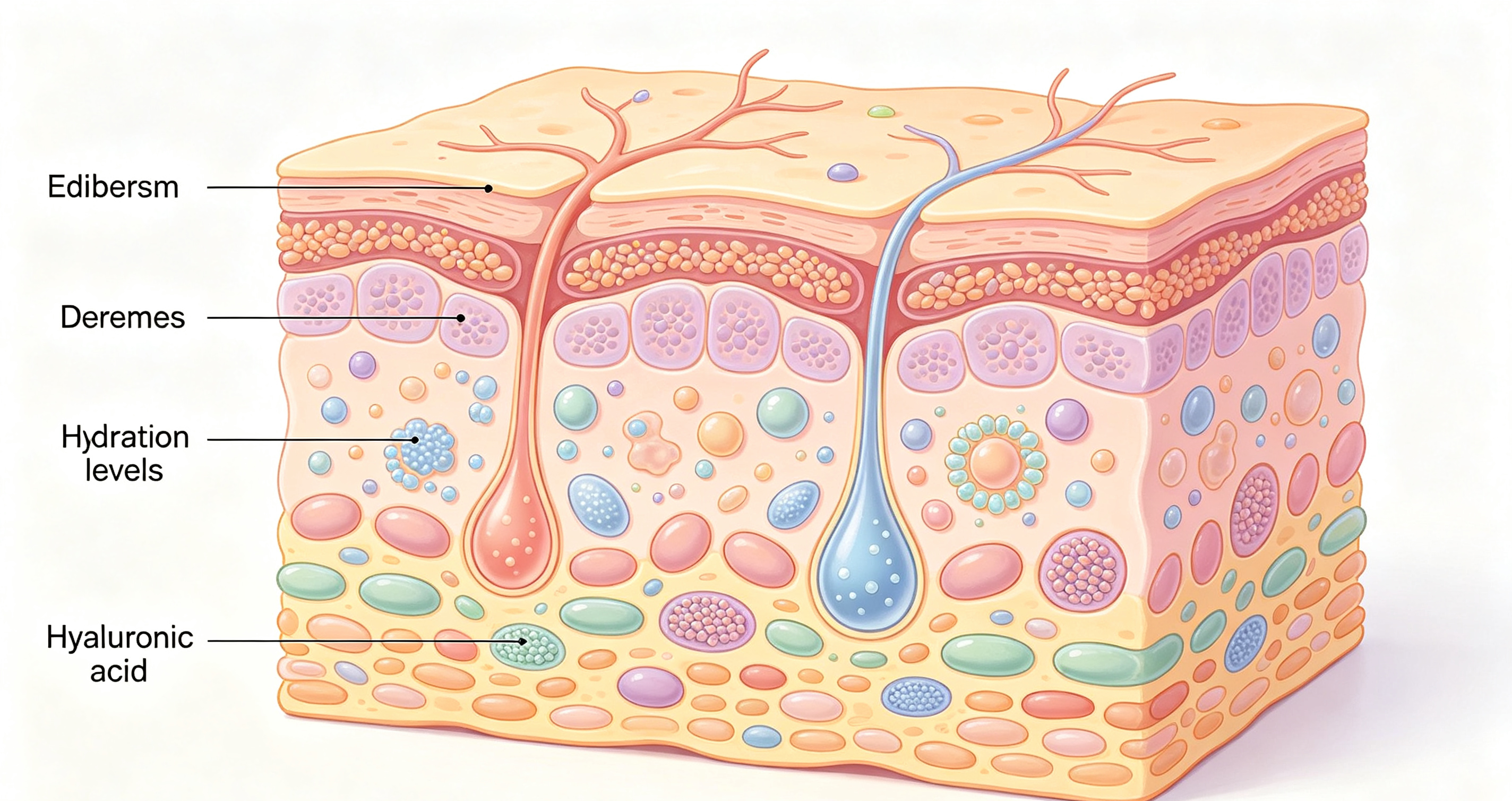
Treatment Approach: What to Expect
For aesthetic clinics, maintaining treatment outcomes requires more than simply scheduling repeated injections. A structured approach should consider patient assessment, product selection, follow-up evaluation, and realistic maintenance planning.
The following steps provide a practical framework for developing a professional mesotherapy maintenance program.
Step 1: Evaluate the Patient's Current Skin Condition
Before recommending additional treatment, practitioners should review the patient's current skin condition and previous treatment history.
Important considerations include:
-
Baseline skin hydration and texture.
-
The patient's original aesthetic concerns.
-
Previous treatment products and formulations.
-
Duration and consistency of previous results.
-
Medical history, contraindications, and any previous adverse reactions.
This assessment helps determine whether further treatment is appropriate or whether alternative skin management strategies should be considered.
Step 2: Establish a Suitable Maintenance Strategy
A maintenance plan should be individualized rather than based on a universal injection schedule.
The appropriate interval depends on the formulation, clinical evidence, treatment response, patient characteristics, and product instructions.
Some published HA mesotherapy studies have investigated initial treatment courses involving multiple sessions, followed by observation or additional maintenance treatments. However, these research protocols should not automatically be applied to every product.
A suitable meso booster top-up schedule should therefore be determined by qualified practitioners using product-specific information and clinical assessment.
The objective is to maintain appropriate treatment planning without unnecessary injections or unrealistic promises.
Step 3: Monitor Treatment Response
Follow-up assessments help practitioners determine whether a treatment program is achieving its intended goals.
Clinics can document:
-
Skin hydration and texture changes.
-
Patient-reported satisfaction.
-
Standardized clinical photographs.
-
Duration of observed improvements.
-
Adverse reactions or unexpected changes.
Consistent documentation also helps practitioners identify whether a patient requires further treatment, a modified approach, or a longer observation period.
Step 4: Incorporate Appropriate Skincare and Preventive Measures
Long-term skin quality depends on more than injectable treatments.
Daily skincare and environmental protection play important roles in maintaining skin health between professional sessions.
The American Academy of Dermatology recommends daily broad-spectrum sunscreen with SPF 30 or higher to help reduce premature skin aging. Moisturization and appropriate skincare selection are also important components of an ongoing skin management routine.
Clinics can educate patients about these measures as part of their post-treatment care recommendations.
Step 5: Review and Adjust the Maintenance Plan
A maintenance protocol should remain flexible.
If a patient continues to demonstrate satisfactory skin quality, additional treatment may not be immediately necessary. If improvements become less noticeable, the practitioner can reassess the patient's concerns and determine whether another session is appropriate.
A structured approach to skin rejuvenation repeat treatment should prioritize clinical suitability, treatment intervals, and product-specific guidance rather than encouraging automatic repeat injections.
For aesthetic businesses, maintaining a reliable product portfolio is equally important. Consistent mesotherapy wholesale repeat supply helps clinics and distributors plan inventory around their actual treatment demand.
Conclusion
Stopping mesotherapy does not mean that previous results disappear overnight. However, hydration-related improvements and other visible benefits may gradually diminish as natural aging and environmental factors continue to influence skin quality. For aesthetic clinics, the key to maintaining realistic long-term outcomes is individualized treatment planning, appropriate follow-up, evidence-based product selection, and consistent skincare education.
For distributors, brand owners, and aesthetic businesses, a reliable product portfolio is equally important. OTESALY provides mesotherapy and skin rejuvenation product solutions for professional B2B markets. Contact OTESALY to discuss wholesale supply, product selection, and OEM cooperation opportunities for your mesotherapy business.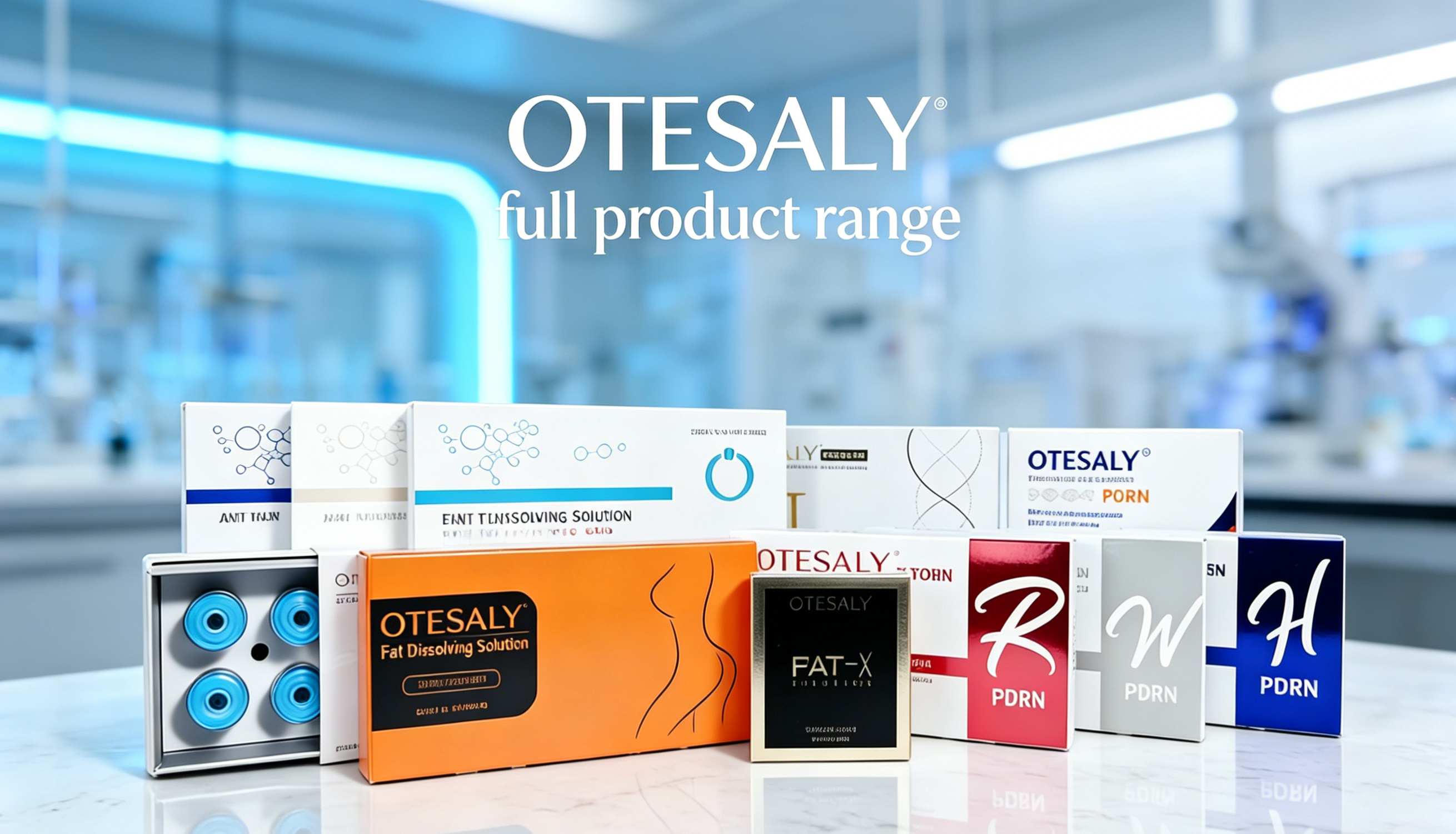
Frequently Asked Questions
1. What are the stopping mesotherapy effects after discontinuing treatment?
Stopping mesotherapy generally does not cause sudden skin deterioration or withdrawal effects. Instead, hydration-related improvements and other visible benefits may gradually become less noticeable. The timeline depends on the ingredients, formulation, treatment history, skin condition, and environmental factors. Patients should understand that natural aging continues regardless of whether maintenance injections are performed.
2. How long can long-term mesotherapy results last without maintenance?
There is no universally established duration for mesotherapy results. Different formulations and clinical protocols produce different outcomes, and available research does not establish one reliable timeline for every product. Some HA-based studies have reported improvements over several months, but these findings cannot be generalized to all mesotherapy solutions. Clinics should evaluate outcomes using product-specific evidence and follow-up assessments.
3. How often should clinics recommend mesotherapy maintenance treatment?
There is no single maintenance interval suitable for every patient or formulation. Treatment frequency should consider the product's instructions, clinical evidence, initial treatment response, and individual skin characteristics. Practitioners should avoid fixed schedules that are not supported by the relevant product documentation. Regular assessments help determine whether another session is clinically appropriate.
4. Is a PDRN maintenance injection necessary after completing an initial course?
Not necessarily. A PDRN-based treatment should only be considered when the patient's clinical needs, product authorization, and intended indication support its use. There is no universal requirement for ongoing PDRN injections after an initial course. Practitioners should evaluate the available evidence for the specific formulation and explain the potential benefits and limitations before recommending further treatment.
5. Can patients maintain mesotherapy results without additional injections?
Yes, certain improvements in skin appearance may be supported through consistent skincare and preventive measures, even without additional injections. Daily sunscreen, appropriate moisturization, gentle cleansing, and healthy lifestyle habits can help maintain overall skin quality. However, these measures do not necessarily reproduce the effects of injectable treatments. Clinics should communicate the distinction between ongoing skincare and professional aesthetic procedures.

