Understanding Under-Eye Hollows
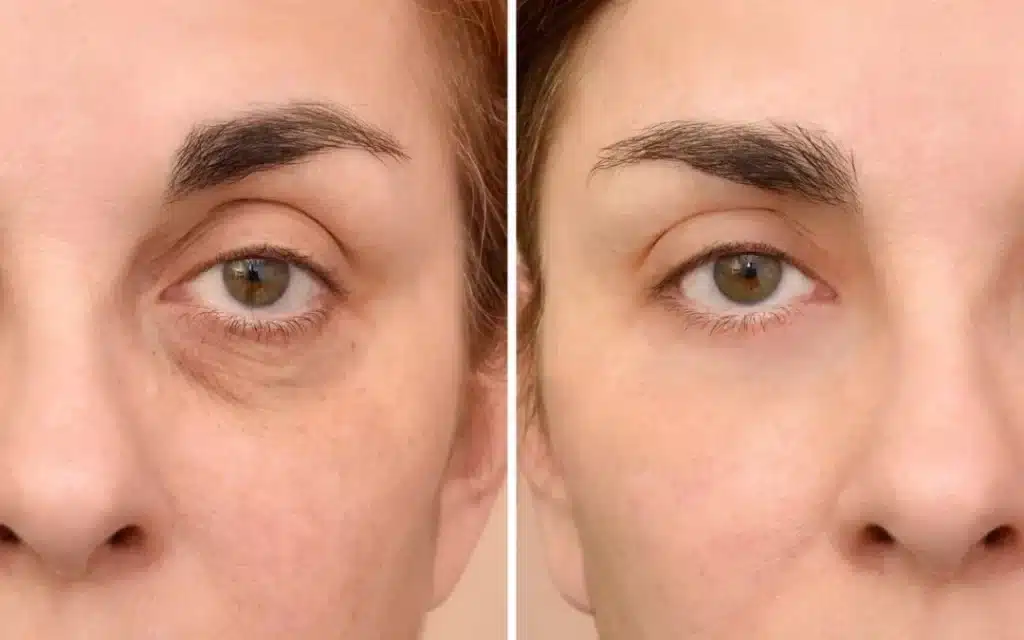
The medical term for under-eye hollows is the tear trough. This is the groove that runs from the inner corner of the eye down toward the cheek.
What causes hollows to form?
This area naturally has very thin skin with little fat. Several factors make hollows more noticeable:
Why is professional treatment essential?
The skin here is the thinnest on the face. It is rich with delicate blood vessels and muscles. Only a precise and expert approach can address the volume loss safely while avoiding complications and achieving a natural result. The goal is to restore a smooth contour and reduce the shadow that makes you look tired.
Types of Dermal Fillers Available
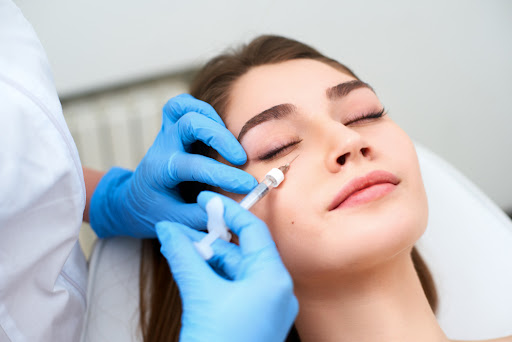
Here we review the main filler types used for under-eye hollows.
1.Hyaluronic Acid (HA) Fillers: The Preferred Choice
HA fillers are the most common and recommended option for this area.
What it is: HA is a natural substance in your skin that holds water and provides volume.
Key Benefits:
Examples: Brands like Juvéderm® Volbella® and Restylane® Eyelight are designed for delicate areas. They are formulated to be softer and more fluid, ideal for very fine, superficial smoothing.
2.Other Filler Types (Less Common for Under-Eyes)
Calcium Hydroxylapatite (CaHA): A thicker filler that provides structural support. It is generally not the first choice for the thin under-eye skin due to a higher risk of visible bumps.
Poly-L-Lactic Acid (PLLA): A collagen stimulator that works gradually over months. It is typically not used directly under the eyes because precise placement is difficult and results are less predictable.
Key Criteria for Choosing the Right Filler
For a safe and natural under-eye result, your filler must meet strict criteria.
1.Safety FirstThe most important factor is reversibility. Hyaluronic Acid (HA) fillers are the preferred choice because a special enzyme can dissolve them if needed. This is a crucial safety net.
2.Smooth Texture & Low SwellingThe ideal filler has a smooth, soft, and cohesive gel texture. It should be less hydrophilic (absorbs less water) to avoid excessive swelling. This also helps prevent the Tyndall effect, which is an unwanted bluish tint under the skin.
3.Natural, Hydrating EffectA good under-eye filler should provide gentle volume and natural hydration, blending seamlessly with your own tissue.
4.Practitioner Expertise is EssentialYour injector's skill and technique are as important as the product itself. Only a highly trained medical professional with deep knowledge of facial anatomy can achieve a safe and natural-looking result. Always choose an experienced, board-certified provider.
OTESALY® Hydrofill®: Our Recommended Solution
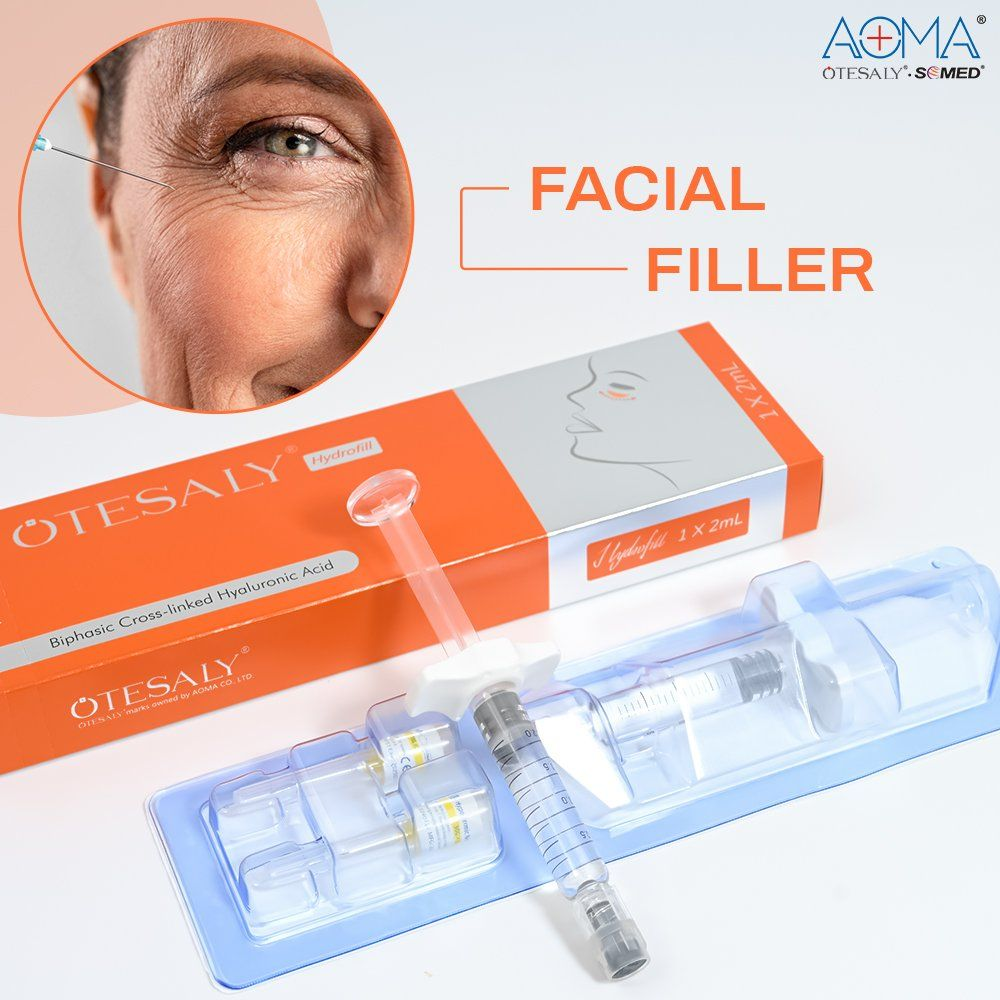
Here we review the main filler types used for under-eye hollows.
1.Hyaluronic Acid (HA) Fillers: The Preferred Choice
HA fillers are the most common and recommended option for this area.
What it is: HA is a natural substance in your skin that holds water and provides volume.
Key Benefits:
Examples: Brands like Juvéderm® Volbella® and Restylane® Eyelight are designed for delicate areas. They are formulated to be softer and more fluid, ideal for very fine, superficial smoothing.
2.Other Filler Types (Less Common for Under-Eyes)
Calcium Hydroxylapatite (CaHA): A thicker filler that provides structural support. It is generally not the first choice for the thin under-eye skin due to a higher risk of visible bumps.
Poly-L-Lactic Acid (PLLA): A collagen stimulator that works gradually over months. It is typically not used directly under the eyes because precise placement is difficult and results are less predictable.
Key Criteria for Choosing the Right Filler
For a safe and natural under-eye result, your filler must meet strict criteria.
1.Safety FirstThe most important factor is reversibility. Hyaluronic Acid (HA) fillers are the preferred choice because a special enzyme can dissolve them if needed. This is a crucial safety net.
2.Smooth Texture & Low SwellingThe ideal filler has a smooth, soft, and cohesive gel texture. It should be less hydrophilic (absorbs less water) to avoid excessive swelling. This also helps prevent the Tyndall effect, which is an unwanted bluish tint under the skin.
3.Natural, Hydrating EffectA good under-eye filler should provide gentle volume and natural hydration, blending seamlessly with your own tissue.
4.Practitioner Expertise is EssentialYour injector's skill and technique are as important as the product itself. Only a highly trained medical professional with deep knowledge of facial anatomy can achieve a safe and natural-looking result. Always choose an experienced, board-certified provider.
OTESALY® Hydrofill®: Our Recommended Solution


