
What is injectable calcium hydroxyapatite?
Injectable calcium hydroxyapatite (CaHA) is a biocompatible dermal filler used to restore facial volume, smooth wrinkles, and stimulate collagen production. Calcium hydroxyapatite is a naturally occurring mineral found in bones and teeth, making it highly compatible with the human body. . In injectable form, calcium-based microspheres are suspended in a water-based gel. It is FDA-approved for improving the appearance of moderate to severe facial wrinkles and folds, such as nasolabial folds.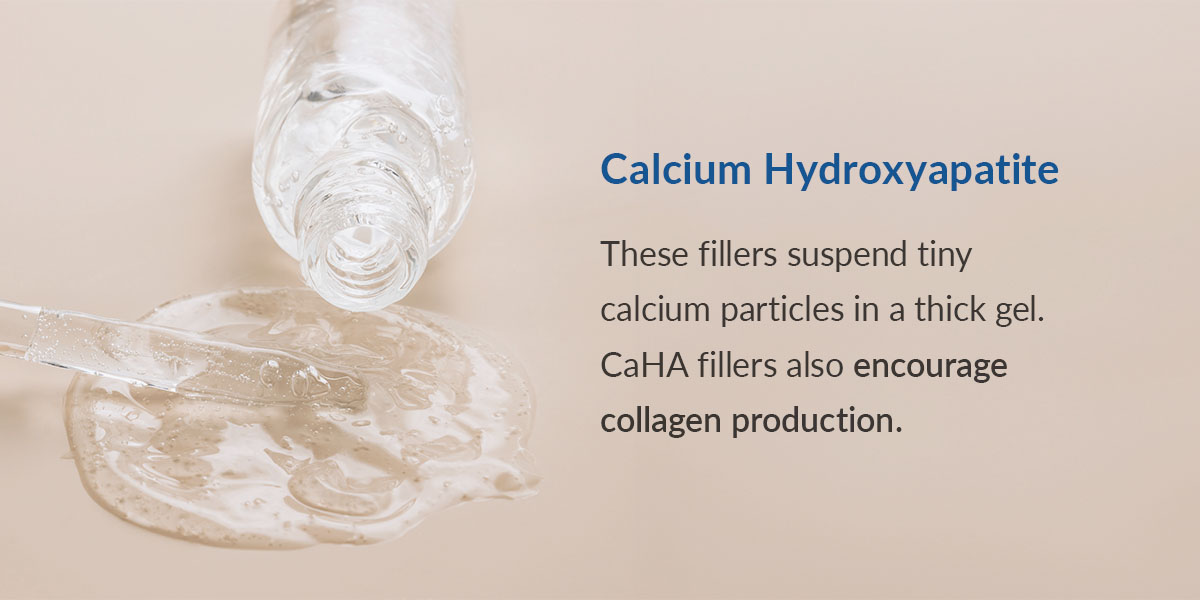
How Does Calcium Hydroxylapatite Compare to Other Fillers?
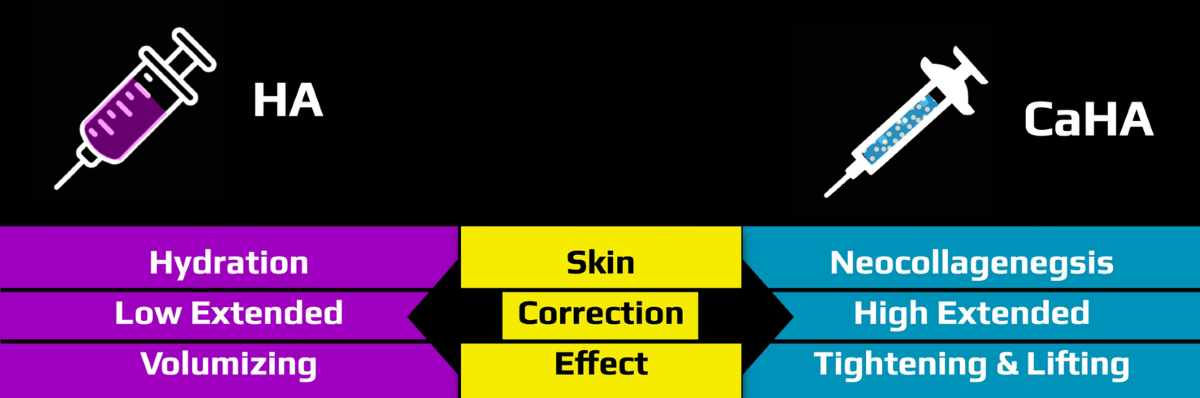
1. Calcium Hydroxylapatite vs. Hyaluronic Acid (HA) Fillers
Hyaluronic Acid (HA) Injectable Filler: A naturally occurring sugar molecule that attracts water, providing hydration and volume. Results last 6–18 months, depending on the product.
Calcium Hydroxylapatite (CaHA): Provides more structural support and stimulates collagen, with results lasting 12–18 months or longer. Unlike HA, it is not reversible with hyaluronidase.
2. Calcium Hydroxylapatite vs. Poly-L-Lactic Acid (PLLA)
PLLA : A biostimulatory filler that works by triggering collagen production over months. Results appear gradually and can last up to 2 years.
CaHA: Offers immediate volume due to its gel carrier, followed by long-term collagen stimulation. Results are visible right away, unlike PLLA.
3. Calcium Hydroxylapatite vs. Collagen Stimulators
Collagen Fillers: Provide temporary volume but require allergy testing and have shorter longevity (3–6 months).
CaHA: Longer-lasting (12+ months) and does not require allergy testing since it is synthetic yet biocompatible.
How Does Calcium Hydroxylapatite Work?
Key Properties of CaHA
-
Biocompatible mineral – Found naturally in bones and teeth, minimizing rejection risks.
-
Dual-action filler – Provides instant volume (gel carrier) + long-term collagen stimulation (microspheres).
-
Non-hydrating – Unlike HA, it doesn’t attract water, making it ideal for structural support (cheeks, jawline) rather than lip augmentation.
The best place to use different fillers
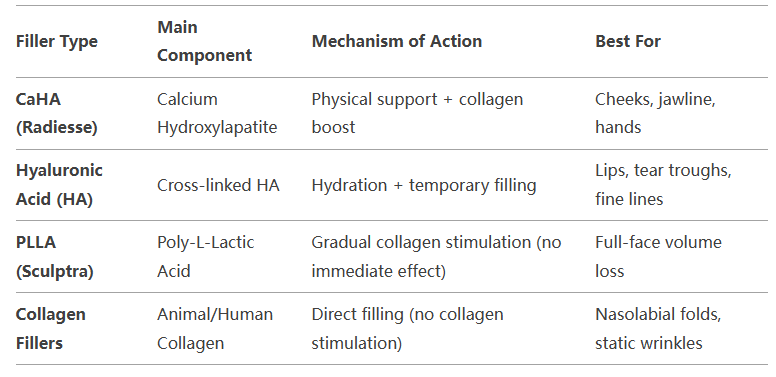
CaHA:
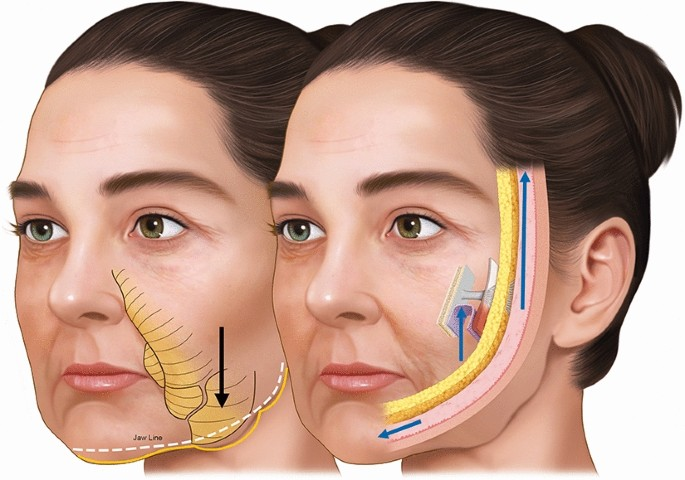
Advantages: cheekbones, chin, nose base, back of hand (due to dense texture, strong support).
Hyaluronic Acid Filler:
Advantages: lips, tear furrows, law lines (soft texture, fine adjustment).
PLLA Injection:
Advantages: temples, cheeks depression (need multiple treatments, suitable for large volume loss).
Effect persistence ranking
-
PLLA: 2+ years, but takes 3-6 months to work
-
CaHA: 12-18 months, immediate + long-term
-
Injectable Dermal Filler: 6-18 months, depending on degree of crosslinking
-
Collagen: 3-6 months, minimum effect
Conclusion
Injectable Calcium Hydroxylapatite is a versatile, long-lasting dermal filler that provides structural support and collagen stimulation. Unlike hyaluronic acid fillers, it is not reversible but offers more durable results. Compared to PLLA filler, it provides immediate volume while still promoting collagen over time.
FAQ
Q1. What are the uses of calcium hydroxyapatite?
It is typically used for:Cheek augmentation, nasolabial folds (smile lines), chin contouring, hand rejuvenation, and stimulating collagen production.
Q2. Is CaHA safe?
Yes – FDA-approved with a strong safety profile. No allergy testing needed
Q3. Is calcium hydroxyapatite safe?
Yes, it is FDA approved and has a good safety profile. Due to its biocompatibility, the risk of allergic reactions is very low.
Q4. Will (CaHA) dissolve over time?
Yes, the microspheres gradually break down and are metabolized by the body, leaving behind newly generated collagen to maintain the effect.
Q5. Can calcium hydroxyapatite be reversed?
No, unlike hyaluronic acid fillers, CaHA cannot be dissolved with hyaluronidase. However, it will naturally degrade over time.
Q6: Who is the best candidate for CaHA?
✔ Those with moderate to severe volume loss
✔ Patients wanting immediate + long-term results
We will launched Calcium Hydroxylapatite filler soon, our CAHA Filler is a dual-action regenerative filler combining CaHA microspheres for collagen regeneration and hyaluronic acid for instant plumping. It delivers natural results, lasts up to 2 years, and is ideal for multi-zone contouring, including nasolabial folds, cheeks, jawline, and hands. We are still conducting clinical trials, contact us if you are interested!


