What is Collagen?
Collagen is a protein that plays a crucial role in the health and structure of various tissues in the body. It is the most abundant protein, making up about 30% of the total protein content in the human body. Collagen can be found in skin, bones, tendons, ligaments, and cartilage, providing strength, elasticity, and support to these structures.

Types of Collagen
Collagen can be further divided into several groups depending on the type of structures they form. There are 28 various types of collagen that have been discovered, but by far, the most common are types I through IV, with type I comprising over 90% of the collagen in the human body.

1. Type I: This type is found in skin, bones, tendons, and ligaments. It provides tensile strength.
2. Type II: This is mainly found in cartilage and is essential for joint health.
3. Type III: Often found alongside type I, this collagen is present in skin, blood vessels, and internal organs, contributing to tissue elasticity.
4. Type IV: This type forms a network in your connective tissues and is crucial in filtration systems, such as in the kidneys.
The Vitality of Type III Collagen:
Type III collagen is a crucial nutrient for the skin's macromolecular framework. It enhances the texture and suppleness of the skin while stimulating its metabolic activities. It plays an indispensable role in maintaining skin health. A lack of hydration or collagen can lead to premature skin aging and the appearance of fine lines and wrinkles. Regular replenishment of collagen is essential to preserve the skin's youthful state and prevent premature aging effects.
Collagen Supplements
With the decline in collagen production as we age, many people turn to collagen supplements, which are available in various forms, including powders, capsules, and drinks. These supplements often come from bovine (cow), porcine (pig), or marine (fish) sources. Research suggests that collagen supplementation may help improve skin elasticity, hydrate skin, reduce joint pain, and promote overall skin health.

Benefits Of Collagen for skin
-
Skin Elasticity
Collagen plays a crucial role in maintaining skin elasticity, which is the ability of the skin to stretch and bounce back. As collagen levels decline with age, the skin loses its elasticity, leading to wrinkles and sagging skin. Supplementing with collagen can help improve skin elasticity and firmness.
-
Hydration
Collagen helps to keep the skin hydrated by retaining moisture. This is important for maintaining the skin's barrier function, which protects against external stressors and prevents water loss. Adequate hydration can also help to reduce the appearance of fine lines and wrinkles.
-
Cellulite
Collagen is important for maintaining the structure of connective tissues, including those found in fat. When collagen levels decline, it can lead to weakened connective tissues, which may contribute to the development of cellulite. Supplementing with collagen may help to improve the appearance of cellulite.
-
Acne
Collagen can help to reduce inflammation in the skin, which is a common cause of acne. It also helps to promote wound healing, which can reduce the risk of scarring.
-
Dark Spots
Collagen can help to improve the appearance of dark spots by promoting skin regeneration and reducing inflammation. It can also help to protect the skin against damage from UV radiation, which is a major cause of dark spots.
-
Blood Flow
Collagen helps to support blood vessel health and improve blood flow. This is important for delivering nutrients and oxygen to the skin, which can help to promote skin health and radiance.
-
Anxiety
Collagen may help to reduce symptoms of anxiety by supporting the health of the gut-brain axis. This is the network of communication between the gut and the brain, which plays a crucial role in regulating mood and emotions.
-
Scars
Collagen is an important component of the skin's extracellular matrix, which is responsible for wound healing and scar formation. Supplementing with collagen may help to improve the appearance of scars by promoting skin regeneration and reducing inflammation. 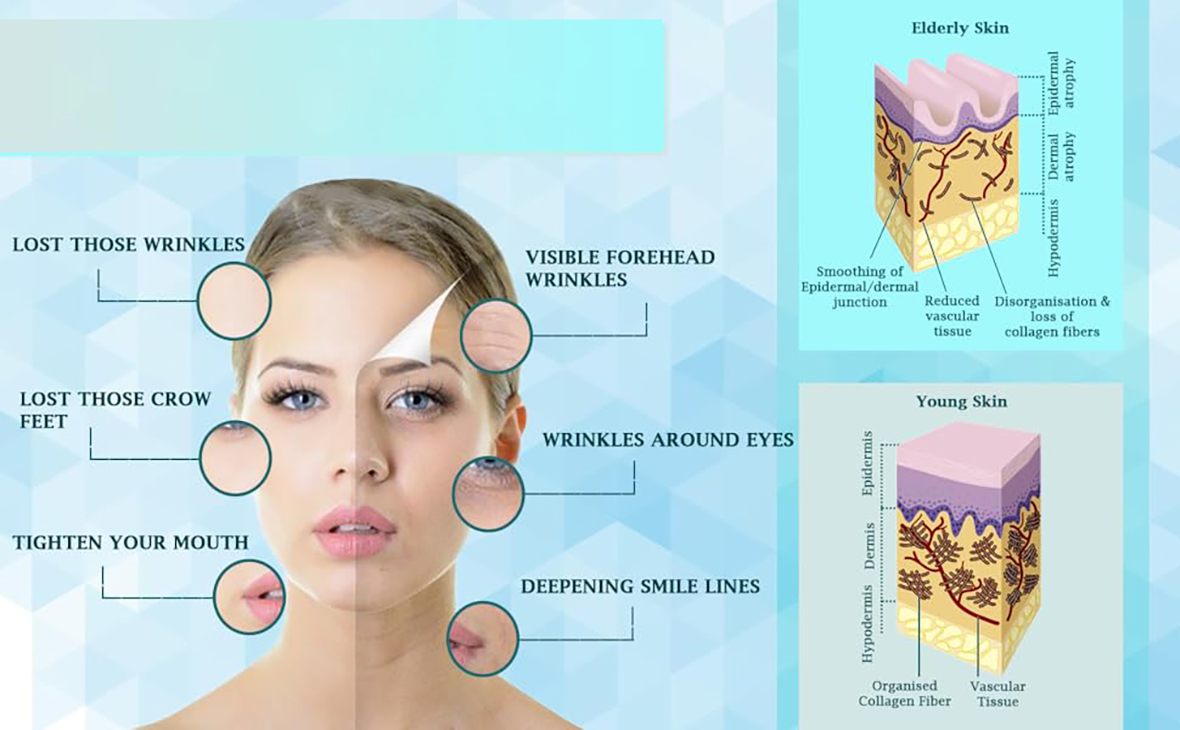
Humanized collagen
As people become increasingly aware of the importance of supplementing collagen, Humanized Collagen has emerged as a solution. Humanized collagen is a type of collagen that has been engineered to closely mimic the structure and properties of natural human collagen. It is typically produced through advanced biotechnological processes, such as genetic engineering, where human collagen genes are introduced into host organisms like bacteria or yeast. These organisms then produce collagen proteins that are similar to human collagen in terms of amino acid sequence and biological activity. Humanized collagen is highly biocompatible and can be used in various medical and cosmetic applications, including wound healing, tissue engineering, and skincare products, to promote tissue regeneration and provide structural support.
3. How is Humanized Collagen administered?
Humanized collagen can be administered through various methods, including injections, mesotherapy, or topical applications. The injection is typically performed using fine needles to deliver the collagen into the dermis of the skin.
4. Are there any side effects associated with Humanized Collagen?
Humanized collagen is generally considered safe with a low risk of allergic reactions. However, some individuals may experience mild swelling, redness, or bruising at the injection site, which usually resolves quickly.
5. How long do the effects of Humanized Collagen last?
The effects of humanized collagen can vary depending on individual skin conditions and the method of administration. Typically, results can last from several months to a year, after which follow-up treatments may be necessary to maintain the benefits.
6. Is Humanized Collagen suitable for all skin types?
Yes, humanized collagen is suitable for most skin types, including sensitive skin. However, it is always recommended to consult with a skincare professional before starting any new treatment.
7. Where can I find Humanized Collagen products?
Humanized collagen products, such as Otesaly Collagen Lift (Type III Humanized), are available through medical and cosmetic suppliers. Ensure the product you choose that meet safety and quality standards, such as those certified by CE and ISO.
For more detailed information about specific products like Otesaly Collagen Lift, you can visit our official website here.
Conclusion
Collagen is a vital protein that supports the structure and function of many body tissues. While our bodies produce it naturally, maintaining healthy collagen levels through a balanced diet or supplementation can help combat the signs of aging and support joint health. If you’re considering collagen supplements, it’s a good idea to consult with a healthcare provider to ensure it’s right for you.
If you have any questions or want more details about collagen or its benefits, feel free to ask!