What are exosomes?
Exosomes are extracellular vesicles (EVs) released by cells, typically 30-150 nanometers in size. They carry proteins, lipids, RNA, and DNA, allowing cells to exchange information. Initially considered cellular waste, scientists now recognize their importance in health and disease.
Exosomes are emerging as a breakthrough ingredient in anti-aging and regenerative skin care. Unlike traditional treatments that rely on synthetic compounds or growth factors, exosomes harness the body's natural cell signaling mechanisms to rejuvenate the skin at a cellular level.
How do exosomes work?
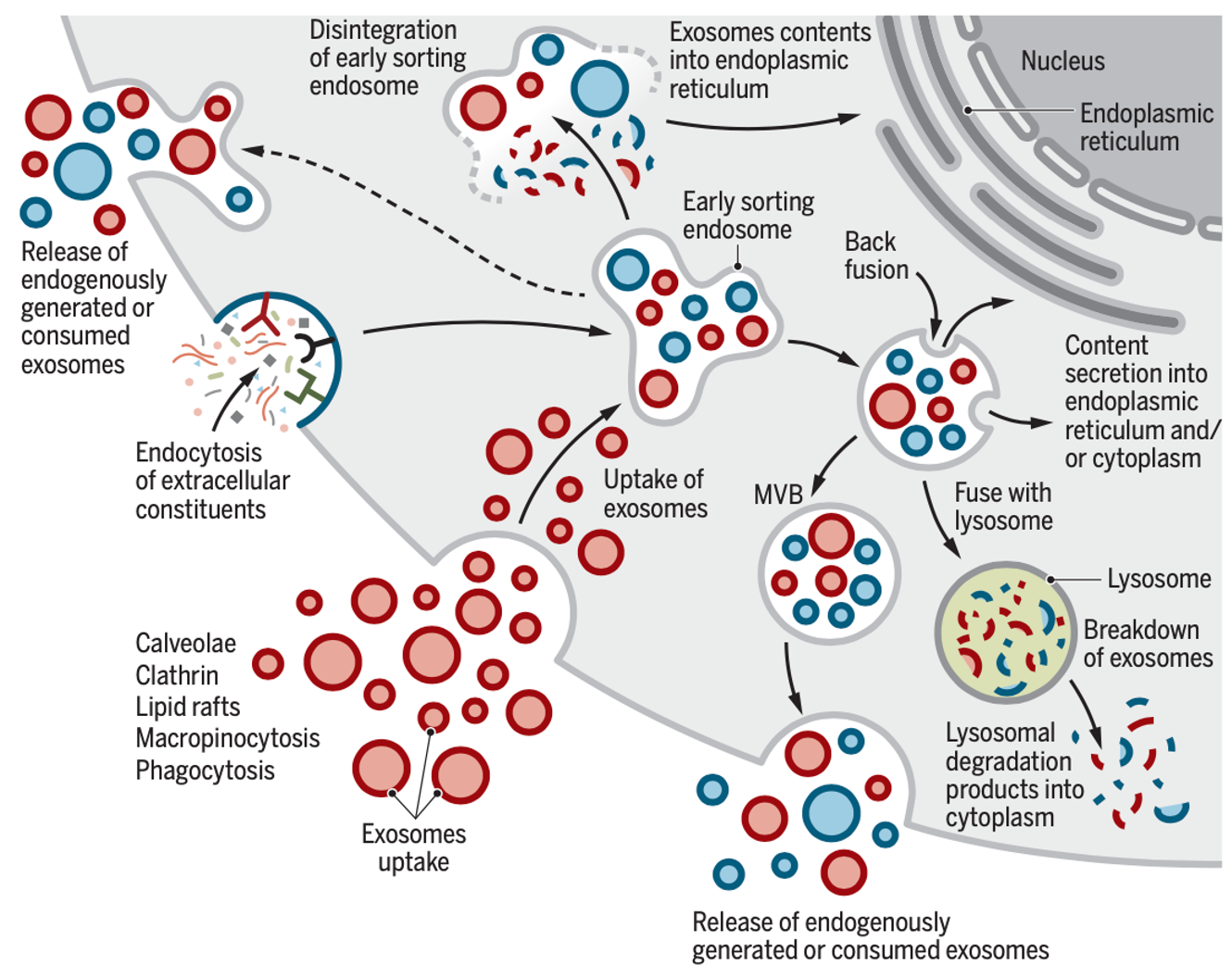
Formation: Cells produce exosomes within endosomes, where they mature into multivesicular bodies (MVBs).
Release: MVBs fuse with cell membranes, releasing exosomes into body fluids such as blood, saliva, and urine.
Communication: Exosomes transfer biomolecules to other cells, influencing processes such as immunity, tissue repair, and cancer progression.
Why are exosomes important?
Medical diagnostics: Exosomes can carry disease markers, making them useful for early detection of cancer and neurodegenerative diseases.
Therapeutic potential: Researchers are exploring exosome-based treatments for regenerative medicine, drug delivery, and anti-inflammatory treatments.
Cosmetics and anti-aging: Some skin care products use exosomes to boost collagen production and skin rejuvenation.
How do exosomes work on the skin?
Intercellular communication: Exosomes transmit "youth signals" to aging or damaged skin cells.
Promote repair: Stimulate the production of collagen and elastin, improve skin texture.
Anti-inflammatory effect: Regulate skin immune response, reduce inflammation and redness.
Antioxidant protection: Carried antioxidant enzymes help neutralize free radicals and delay aging.
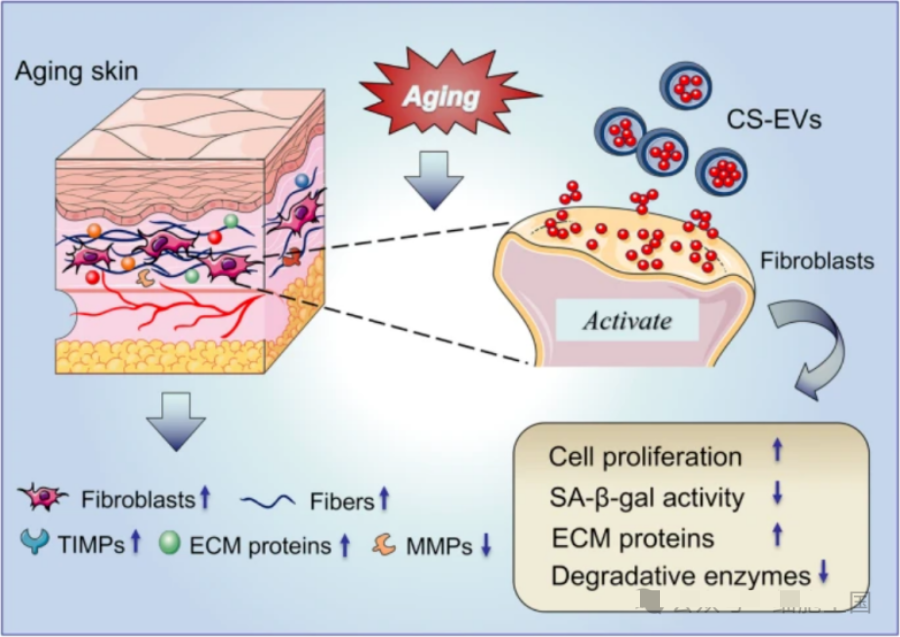
How do exosomes benefit the skin?
✅ Stimulate collagen and elastin production.
✅ Exosomes deliver growth factors and mRNA that activate fibroblasts, responsible for the production of collagen and elastin.
✅ Increase collagen, reduce fine lines, wrinkles, and improve skin firmness.
✅ Promote skin repair and regeneration.
✅ They promote wound healing and tissue regeneration by regulating inflammation and accelerating cell turnover.
✅ Reduce inflammation and oxidative stress.
✅ Exosomes contain antioxidants and anti-inflammatory molecules that protect the skin from UV damage and environmental stressors.
✅ Improves moisturization and skin barrier function.
Application of exosomes in beauty and skin care
Anti-aging treatment: Studies have shown that exosomes can significantly reduce fine lines and wrinkles and improve skin elasticity. A clinical trial showed that after 8 weeks of treatment with exosomes, the average collagen density of participants' skin increased by 30%.
Wound repair: Exosomes accelerate the wound healing process and reduce scar formation, making them ideal for postoperative care.
Sensitive skin care: By regulating immune response, exosomes can relieve skin problems such as rosacea and eczema.
Hair regeneration: Preliminary studies show that exosomes may activate dormant hair follicles and promote hair growth.
The Future of Exosomes in Anti-Aging
Research suggests that exosomes could eventually replace traditional fillers and Botox, promoting natural regeneration without injections. As biotechnology advances, we may see personalized exosome therapies tailored to individual skin needs.
Conclusion
Exosome skincare represents the next frontier in anti-aging, offering a science-backed, non-invasive way to achieve younger-looking skin. Whether through serums or professional treatments, this innovative approach is set to redefine beauty regimens.


