Categories

How Skin Brightening Injectables Help Treat Hyperpigmentation Fast

Hyperpigmentation—whether from sun exposure, hormonal shifts, or post-acne marks—can be stubborn and frustrating. While topical solutions offer gradual improvements, many are turning to fast-acting, internal approaches for more dramatic results. Skin brightening injectables represent a breakthrough in aesthetic wellness, offering a targeted, efficient path to a more even and radiant complexion.
Sep 25th,2025 312 Views

Understanding Hyperpigmentation

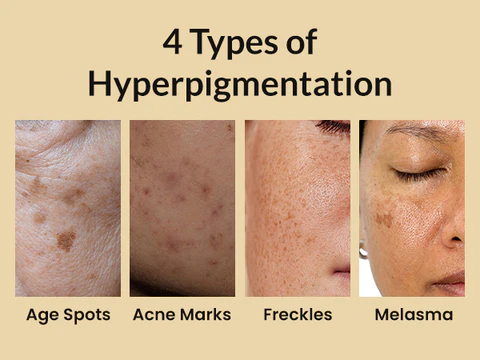
Melanin is the pigment responsible for our skin, hair, and eye color. When melanocytes (the cells that produce melanin) become overactive, it leads to hyperpigmentation. Common types include:

  • Sunspots (caused by UV exposure)
  • Melasma (often hormonal)
  • Post-inflammatory hyperpigmentation (after acne or injury)

While daily sunscreen use and antioxidant serums can help prevent further darkening, reversing existing pigmentation can be challenging.
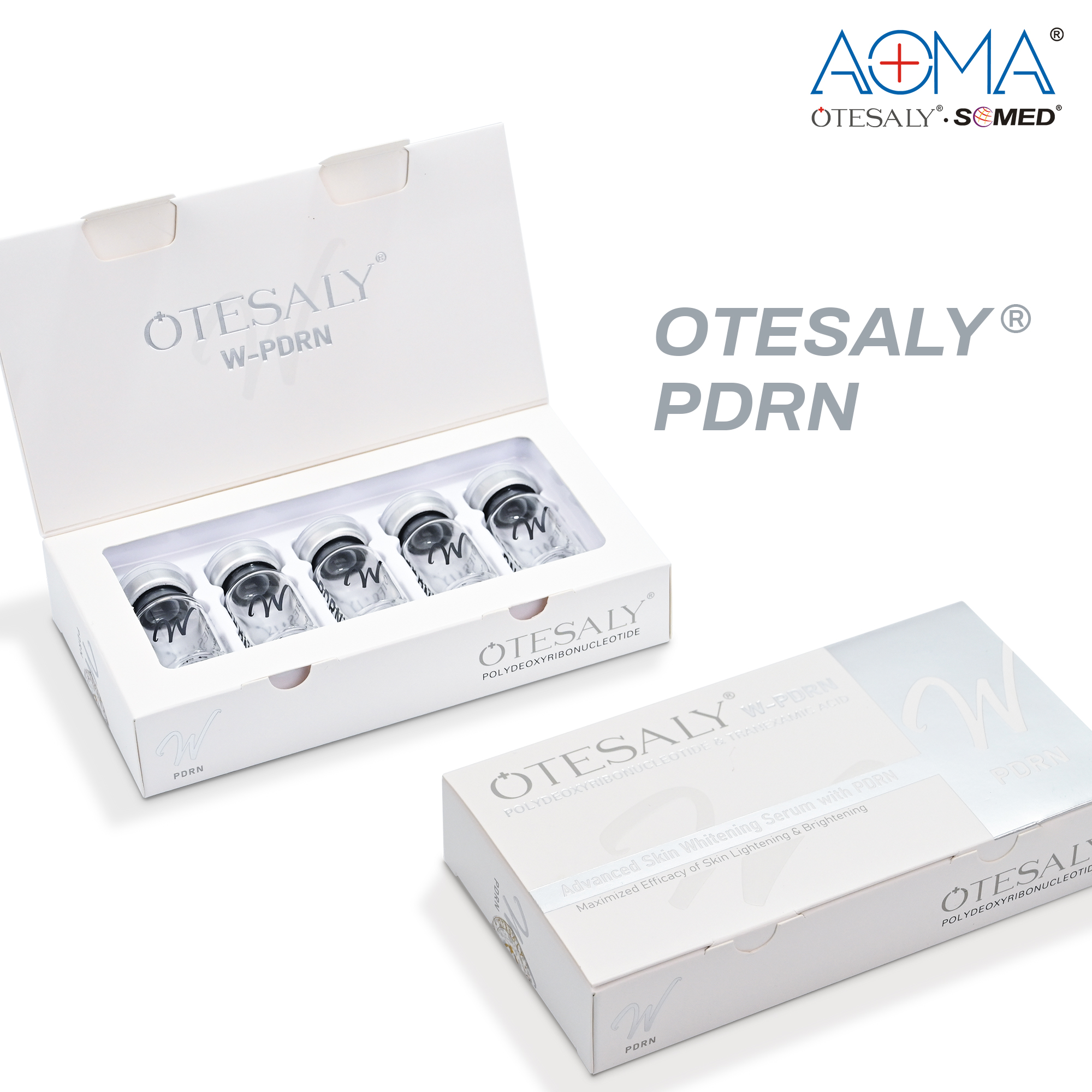
What is W-PDRN(Polydeoxyribonucleotide) ?

Polydeoxyribonucleotide, in short, PDRN, is a substance extracted from the testis of salmon. It is also commonly known as Salmon DNA.  W means Skin Whitening which is good for clients to remember it and good for both of us and our customers to do selling & advertising.

Key actives:
  • Glutathione - antioxidant that down-regulates melanin output
  • Vitamin C - illuminates skin and neutralizes free radicals
  • Tranexamic acid - curbs melanin synthesis and calms inflammation
  • Kojic acid- blocks tyrosinase, the rate-limiting enzyme in pigment formation
  • Alpha arbutin - gentle depigmenting agent that fades localized dark spots

How Do W-PDRN Work?

The efficacy of skin-brightening injectables stems from targeted delivery and scientifically validated mechanisms:

Inhibition of Melanin Production: Compounds such as glutathione, kojic acid, and tranexamic acid suppress tyrosinase activity, curbing melanin synthesis.
Reduction of Inflammation: Inflammation-driven hyperpigmentation is countered by agents like tranexamic acid, which mitigate inflammatory cascades and prevent post-inflammatory pigmentation.
Antioxidant Defense: Vitamin C and glutathione scavenge free radicals that fuel skin darkening and oxidative damage.
Accelerated Cell Turnover: Select injectables stimulate epidermal renewal, revealing fresher, more luminous skin layers.


Who Should Consider Skin Brightening Injectables?

Skin brightening injectables are suited for individuals who:
  • Battle resistant melasma
  • Carry post-acne marks or post-inflammatory hyperpigmentation
  • Notice sun spots, age spots, or overall tone irregularity
  • Prefer a speedier route than creams and serums
  • Desire visible results with minimal downtime

FAQ
1.How quickly will I see results?

Many users report brighter skin within 2–3 weeks. Optimal results are typically seen after a series of sessions.


2.How many sessions are recommended?

This varies by individual, but a course of 4–6 sessions is common for noticeable and lasting improvement.


3.Do the results last?

Results can be long-lasting, especially when supported with good skincare and sun protection.


4.Will it make my skin look unnatural?

No—these treatments aim to enhance your natural glow, not alter your overall skin tone dramatically.


Dr. Anika Müller – Germany

Dr. Anika Müller – Germany

Dr. Anika Müller, MD, is a senior German aesthetic medicine doctor with 10+ years of experience in facial anti-aging and minimally invasive procedures. She specializes in layered high-density filler injection and facial regeneration therapies, has participated in European multi-center studies, and published widely on injection safety and efficacy. She regularly trains European practitioners on injection safety and layered facial regeneration.