Why Does Skin Age?

Skin aging results from a mix of internal factors (like genetics and hormonal changes) and external factors (like sun exposure and lifestyle).
Since our mid-20s, the skin loses its key components: collagen (provides structural firmness), elastin (gives skin its elasticity, allowing it to bounce back), and hyaluronic acid (binds moisture, responsible for skin's volume and hydration). As these decrease, skin becomes thinner, drier, and develops wrinkles and sagging.
This is where dermal fillers come in. They are injectable gels designed to restore volume, smooth lines, and enhance facial contours, addressing static wrinkles and volume loss directly.
In the growing filler market, hyaluronic acid options are the most common due to their flexibility and reversibility. Alternatives like calcium hydroxylatite (CaHA) fillers are also rising in use for their unique collagen-stimulating and lifting properties.
Choosing Your Filler: HA vs. CaHA
When considering dermal fillers, Hyaluronic Acid (HA) and Calcium Hydroxylapatite (CaHA) are two leading options. They work in distinct ways and are suited for different goals. Below is a comparison to help you understand their key differences.
Hyaluronic Acid (HA) Fillers:
Core Mechanism:
After injection, HA fillers integrate into the skin's structure, where they bind water to create volume, effectively plumping areas such as the cheeks, lips, and under-eye hollows.
Primary Use:
Ideal for hydrating the skin, smoothing fine lines, enhancing lips, and subtle contouring. Common brands include Juvéderm® and Restylane®.
Key Feature:
Duration:
Effects typically last 6-12 months.
Ideal For:
Those seeking versatile, low-commitment treatments with minimal downtime. Common brands include Juvéderm®, Restylane® and OTESALY®.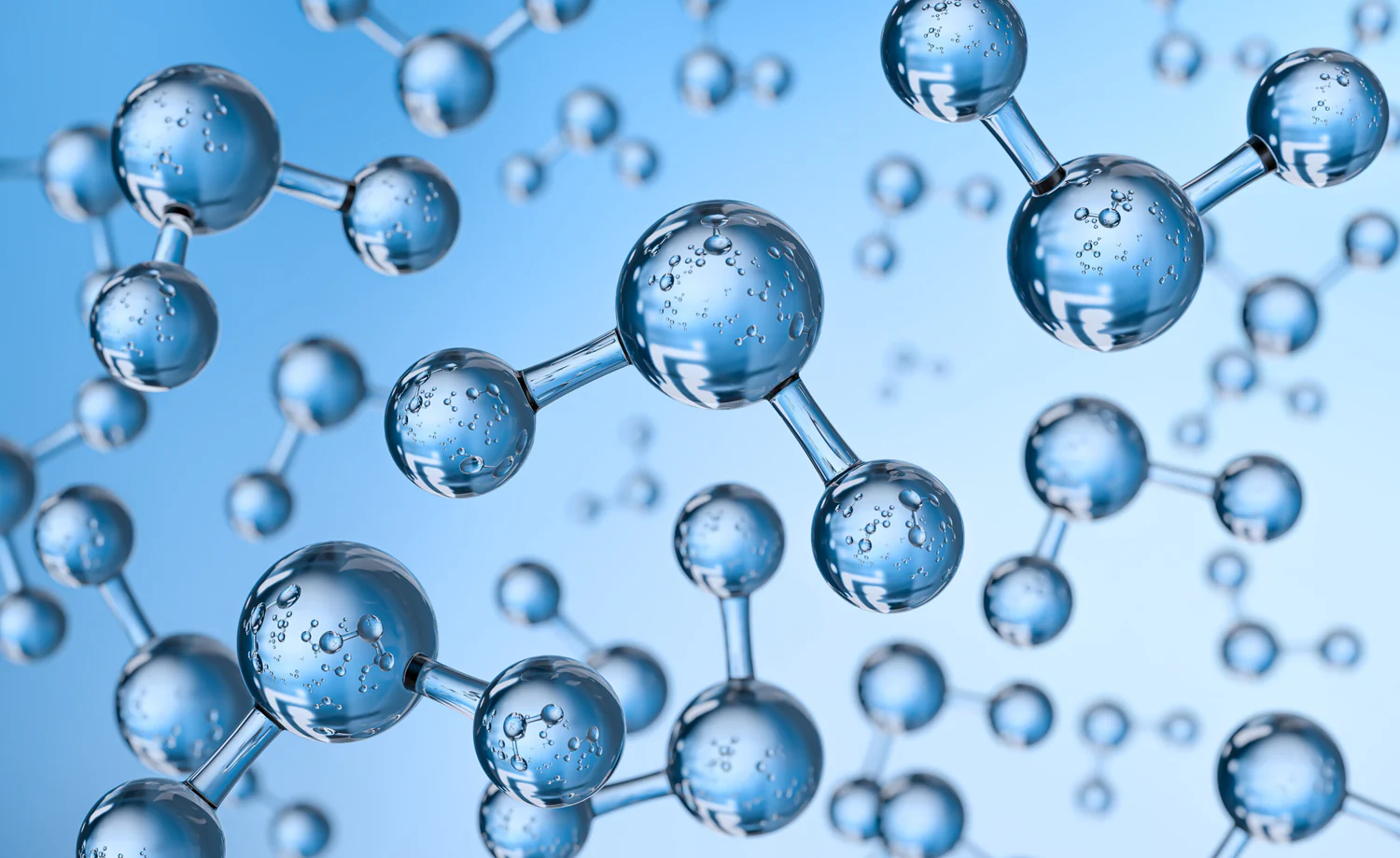
Calcium Hydroxylapatite (CaHA) Fillers
Core Mechanism:
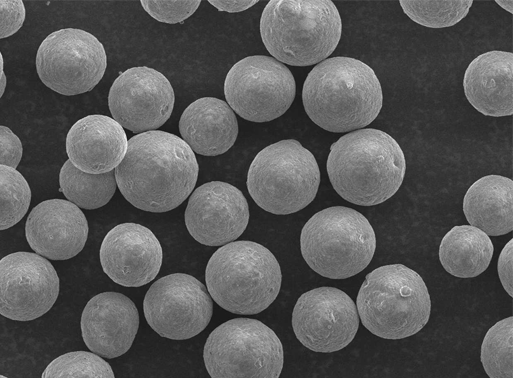
Upon injection, CaHA fillers provide volume to smooth targeted areas such as nasolabial folds, marionette lines, and cheeks. Over time, the CaHA microspheres act as a scaffold, encouraging the body to produce new collagen, leading to gradual, natural-looking improvement.
Primary Use:
Addresses moderate to severe wrinkles and volume loss in areas like the cheeks and nasolabial folds; also used for hand rejuvenation. Common brands include Radiesse® and OTESALY®.
Key Feature:
Bio-Stimulatory: Promotes the body's own long-lasting collagen production.
Natural Integration: Blends well with tissue.
Duration:
Effects can persist for 24 months or more.
Ideal For:
Those seeking longer-lasting, structural rejuvenation and a natural feel.
Why Choose OTESALY® CaHA Filler?
OTESALY® CaHA Filler stands out in a diverse filler market through its advanced formulation. It is aimed at delivering immediate structural correction while simultaneously initiating the body's natural collagen production process. This dual-action approach provides not only instant improvement but also progressive rejuvenation that enhances skin quality over time.
Key Features and Benefits:
Conclusion: Selecting the Right Filler for You
The choice between Hyaluronic Acid (HA) and Calcium Hydroxylapatite (CaHA) fillers depends on your specific needs and aesthetic goals. HA fillers provide versatile, reversible hydration—ideal for subtle contouring and those new to treatment. CaHA fillers, on the other hand, deliver durable structural restoration by stimulating natural collagen, making them suitable for addressing more advanced aging signs.
OTESALY® CaHA filler represents a commitment to long-term skin revitalization, working in harmony with your body’s own biology. By choosing a right treatment that enhances your skin’s foundation, you are investing in sustained skin health and a naturally rejuvenated appearance.