What is calcium hydroxyapatite?
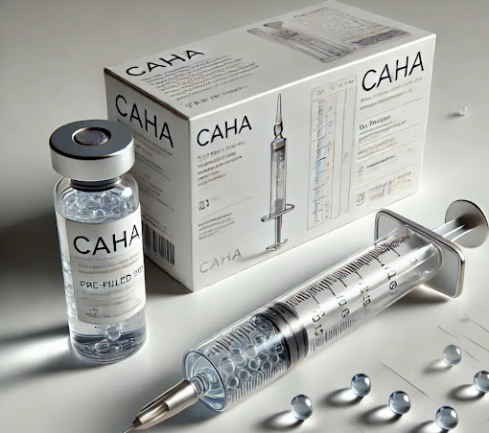
Calcium hydroxyapatite is a biocompatible substance that occurs naturally in human bone. When used as a dermal filler (most commonly Radiesse), CaHA consists of microspheres suspended in a smooth gel carrier.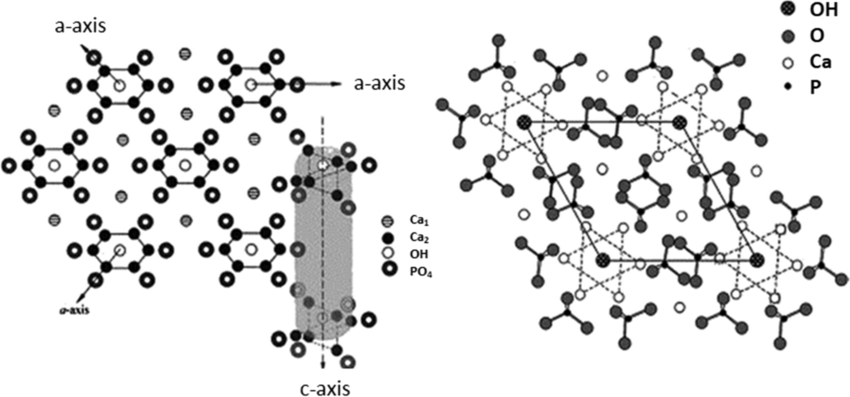
Key Features:
How it works
CaHA is a collagen biostimulator. The small particles in the filler act as a scaffold. Once injected, they stimulate the growth of collagen around your body. Over time, through normal metabolic processes, these CaHA particles dissolve into calcium and phosphate ions. This results in a natural and lasting improvement in skin volume and texture. For example, when treating moderate to severe facial wrinkles such as nasolabial folds, marionette lines, and frown lines, the newly produced collagen helps fill in these wrinkles and make them less prominent. It is also effective in enhancing facial volume, such as in the cheeks, for a more youthful and plumper appearance.
Duration of Results
One of the advantages of calcium hydroxyapatite fillers is that their effects are relatively long-lasting. Many patients find that the effects can last for two years or even longer. This is because the slowly dissolving CaHA microspheres continue to stimulate collagen production over a longer period of time, maintaining volume and improving texture in the treated area.
What is Hyaluronic Acid?
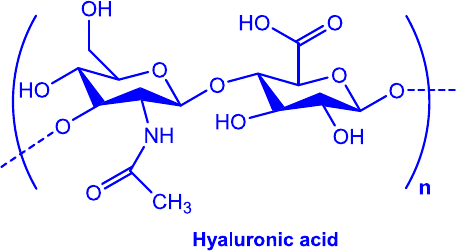
Hyaluronic acid is a sugar molecule found naturally in the skin that helps hydrate and add volume.
Key Features:
How it works in cosmetic treatments
When used as a dermal filler, hyaluronic acid works by adding volume to the skin. It plumps up the injection site, effectively reducing the appearance of wrinkles and fine lines. For example, when treating under-eye hollows or plumping up the lips, hyaluronic acid fillers can provide immediate and natural results. Hyaluronic acid molecules attract and bind to water molecules, creating a tumescent effect that fills the targeted area.
Duration of Results
The effects of HA fillers typically last between 6 months and 18 months, depending on various factors such as the type of HA used, the area injected, and the individual’s metabolism. Some highly cross-linked HA fillers tend to last longer because they are less susceptible to being broken down by enzymes in the body.

Which filler is right for you?
Choose calcium hydroxyapatite if:
Choose hyaluronic acid if:
Different Applications
Hyaluronic acid fillers are extremely versatile. They can be used for a wide range of cosmetic enhancements, including lip enhancement, filling fine lines around the mouth, treating under-eye circles and hollows, and enhancing overall skin texture and hydration. Due to its natural origin and biocompatibility, it is suitable for most skin types and is a popular choice for patients seeking quick and relatively low-risk cosmetic improvements.
Comparing the Two: Which is Better?
Efficacy in Treating Specific Areas
Calcium Hydroxyapatite: Very effective for treating moderate to severe facial wrinkles and adding facial volume to areas such as the cheeks. However, it is not generally recommended for fine lines around the mouth or under the eyes.
Hyaluronic Acid: Can be used on a wider range of areas, including fine lines, eye sockets

Conclusion
Neither calcium hydroxyapatite nor hyaluronic acid is universally "better" - the right choice depends on your specific aesthetic goals, treatment areas, and desired longevity. Many patients achieve optimal results by using both fillers strategically in different areas of the face.
Remember that everyone's results are different, and proper post-operative care is essential for optimal results with either treatment option.


