HA fillers are reversible: hyaluronidase dissolves them in 48h. Lasting 6–12 months, they metabolize naturally—safe and predictable.
Does hyaluronic acid filler Dissolve? Your Complete Guide
"What if I don’t like the results?" or "Is this going to be in my body forever?"
These are the two most common questions we hear from patients considering fillers. The truth is, Hyaluronic Acid (HA) fillers have become the global gold standard for a reason: their exceptional HA safety profile and, most importantly, their reversibility. Hyaluronic acid is a naturally occurring component in the human body, has excellent biocompatibility, and thanks to a special enzyme—it is dissolvable.
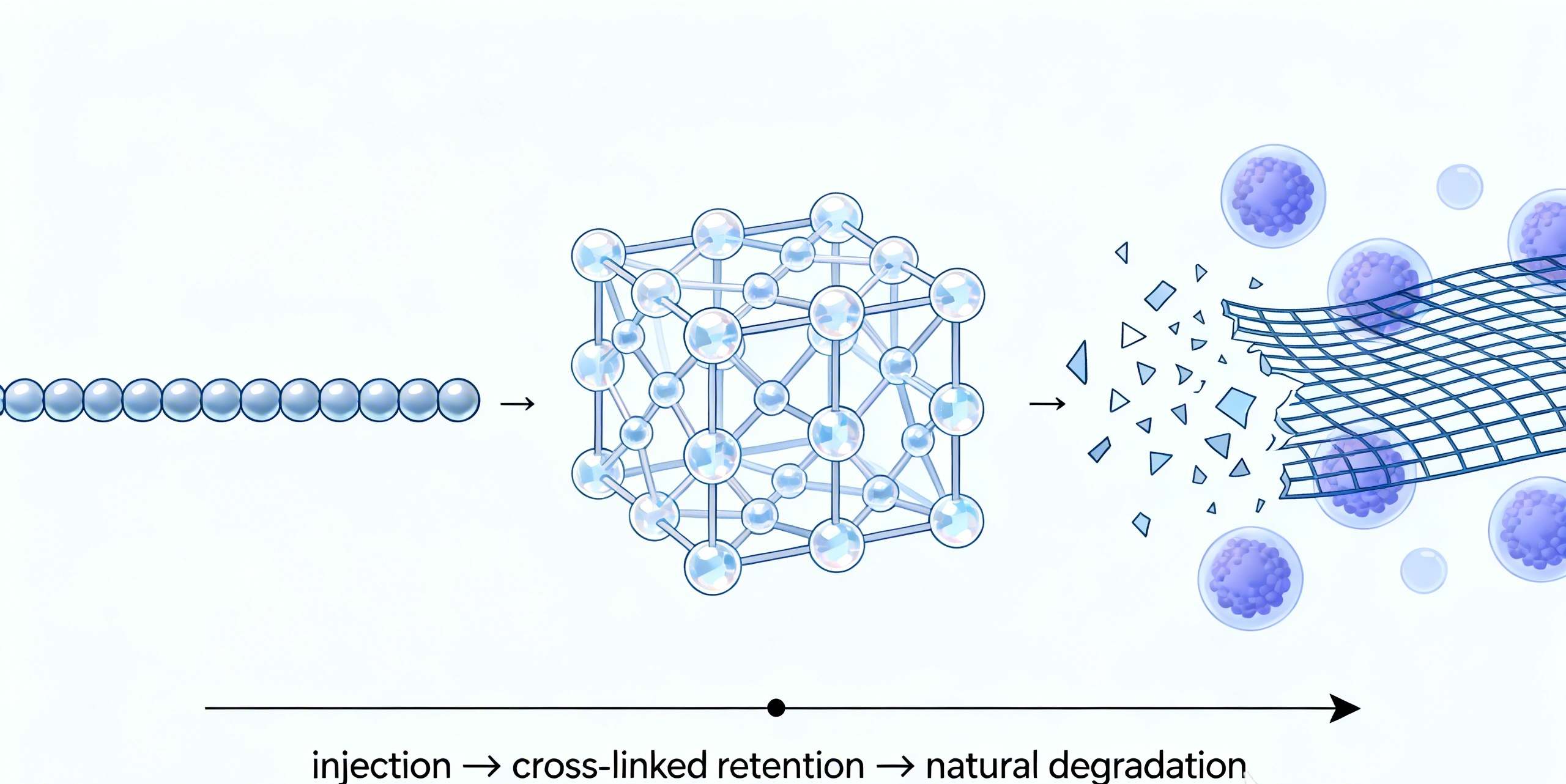
The Nature of Hyaluronic Acid: Why Is It Reversible?
To ensure HA fillers last longer in the body, manufacturers use Cross-linking technology to connect linear molecules into a stable mesh structure. However, even with these enhancements, the filler remains biodegradable.
There are two ways it dissolves:
-
Natural Metabolism: Your body’s endogenous Hyaluronidase (a natural enzyme) gradually breaks down these cross-linked structures. Eventually, the filler is fully absorbed and expelled from your body as carbon dioxide and water.
-
Clinical Intervention: If you’re unhappy with the results or experience complications, a practitioner can inject a high concentration of Hyaluronidase to achieve rapid, safe filler dissolution.
The "Undo" Button: Can You Manually Dissolve Filler?
1: The Power of Hyaluronidase
This "reversibility" is the cornerstone of HA safety. Unlike permanent fillers, Hyaluronic Acid (HA) fillers can be actively dissolved using Hyaluronidase—a specialized enzyme that breaks down cross-linked molecules.
-
Speed of Results: You’ll typically see a visible difference within 24-48 hours.
-
2026 Research Insight: Not all fillers dissolve the same way. Monophasic fillers (dense, uniform structure) often require higher enzyme concentrations, while Biphasic fillers (granular structure) tend to be more sensitive to the enzyme.
-
Precision Matters: The enzyme remains active in the tissue for about 30 minutes. The key to success is a "direct hit"—expert injection technique that targets the filler bolus precisely.
2: Why Dissolving Difficulty Varies
According to the Journal of Cosmetic Dermatology, the physical properties of your hyaluronic acid filler dictate its sensitivity to dissolution:
-
Biphasic Fillers: Composed of cross-linked particles suspended in non-cross-linked gel. Their "porous" structure allows the enzyme to penetrate easily, making them ideal for areas requiring precision.
-
Monophasic Fillers: Featuring a dense, cohesive mesh, these fillers are more resistant to degradation. While this means they are more stable and longer-lasting, they may require higher doses or multiple sessions to fully dissolve.
This explains why different hyaluronic acid filler brands exhibit varying longevity and dissolving profiles.
3: When to Hit the "Reset" Button
If your hyaluronic acid filler before and after doesn't meet expectations, professional intervention is recommended for:
-
Aesthetic Dissatisfaction: Overfilled "pillow face," asymmetry, or an unnatural "sausage" look.
-
Filler Migration: When the product drifts from the original site (common in the lip area).
-
Safety Concerns: Signs of vascular compromise (requires immediate emergency treatment) or delayed-onset nodules.
Even without clinical intervention, your body will naturally break down the filler over time. When it comes to how long does hyaluronic acid filler last, the general window is 6 to 12 months, depending on these four key variables:
1. Molecular Structure & Cross-linking
High-density, highly cross-linked fillers (designed for structural support like the bridge of the nose or jawline) can last 12 months or more. Conversely, softer products used for fine lines typically have a shorter lifespan of around 6 months.
2. The Impact of the Injection Site
High-Movement Areas: In dynamic areas like the lips, lip filler dissolve time is naturally faster due to constant muscle activity, usually lasting 6–9 months.
Low-Movement Areas: Static regions such as the chin, cheeks, temples, or nasolabial folds metabolize filler more slowly, often maintaining results for 9–12 months.
3. Your Individual Metabolic Rate
Your unique biology plays a role. Factors like a high Basal Metabolic Rate (BMR), thyroid function, and even intense cardiovascular exercise habits can accelerate the breakdown of HA fillers.
4. Product Quality & Technology
Premium brands, such as OTESALY®, utilize advanced, stable cross-linking technology. This ensures the degradation process is smooth and uniform, preventing the "lumpy" or uneven fading often seen with lower-quality alternatives.
Choosing the Right hyaluronic acid fillers brands for safety
1: Why Brand Selection Matters
Selecting a reliable brand is the first step in ensuring HA safety. While global giants like Juvederm, Restylane, and Revolax have their strengths, B2B clients seeking a balance of premium quality and cost-effectiveness often turn to OTESALY®. Backed by AOMA’s extensive R&D, it has become a top contender in the wholesale dermal filler market.
2: 3 Benchmarks for Quality Fillers
Before you buy hyaluronic acid filler for your practice, evaluate these three critical indicators:
-
Advanced Cross-linking Technology: This determines if the filler degrades uniformly or forms lumps (nodules). Stable technology significantly reduces the risk of adverse reactions.
-
Ultra-Low BDDE Residue: safety is in the details. Premium products like OTESALY® maintain BDDE residue levels at <0.002mg, minimizing the risk of allergic sensitivity or long-term inflammation.
-
Concentration & Lifting Capacity: Your inventory should offer various G-prime (firmness) levels, from deep structural support to superficial fine-line correction.
3: The OTESALY® Portfolio: Versatile Aesthetic Solutions
As a professional wholesale dermal filler supplier supported by AOMA's manufacturing expertise, OTESALY® offers a comprehensive matrix designed for full-face and body rejuvenation:
|
Product Series
|
Key Benefits
|
Target Areas
|
|
Hydrofill
|
Superficial Nourishment & Fine Line Reduction
|
Lips, Tear Troughs, Eye Bags, Full-Face Hydration
|
|
Lipfill
|
Volumizing & Contouring; Soft & Natural Results
|
Lips, Perioral Area, Facial Fine Lines
|
|
Facefill / LD
|
Mid-Layer Filling; Wrinkle Smoothing; Restoring Facial Firmness & Smoothness
|
Glabellar Lines, Nasolabial Folds, Cheeks, Chin
|
|
Volumafill
|
Powerful Structural Support & Contouring
|
Nasal Base, Jawline, Temples
|
|
Bodyfill
|
Large-Volume Body Contouring
|
Breasts, Buttocks, Body Curves
|
|
PllaHAfill® / CaHAfill
|
Collagen Stimulation & Long-Lasting Anti-Aging
|
Nasolabial Folds, Forehead Lines, Temples
|

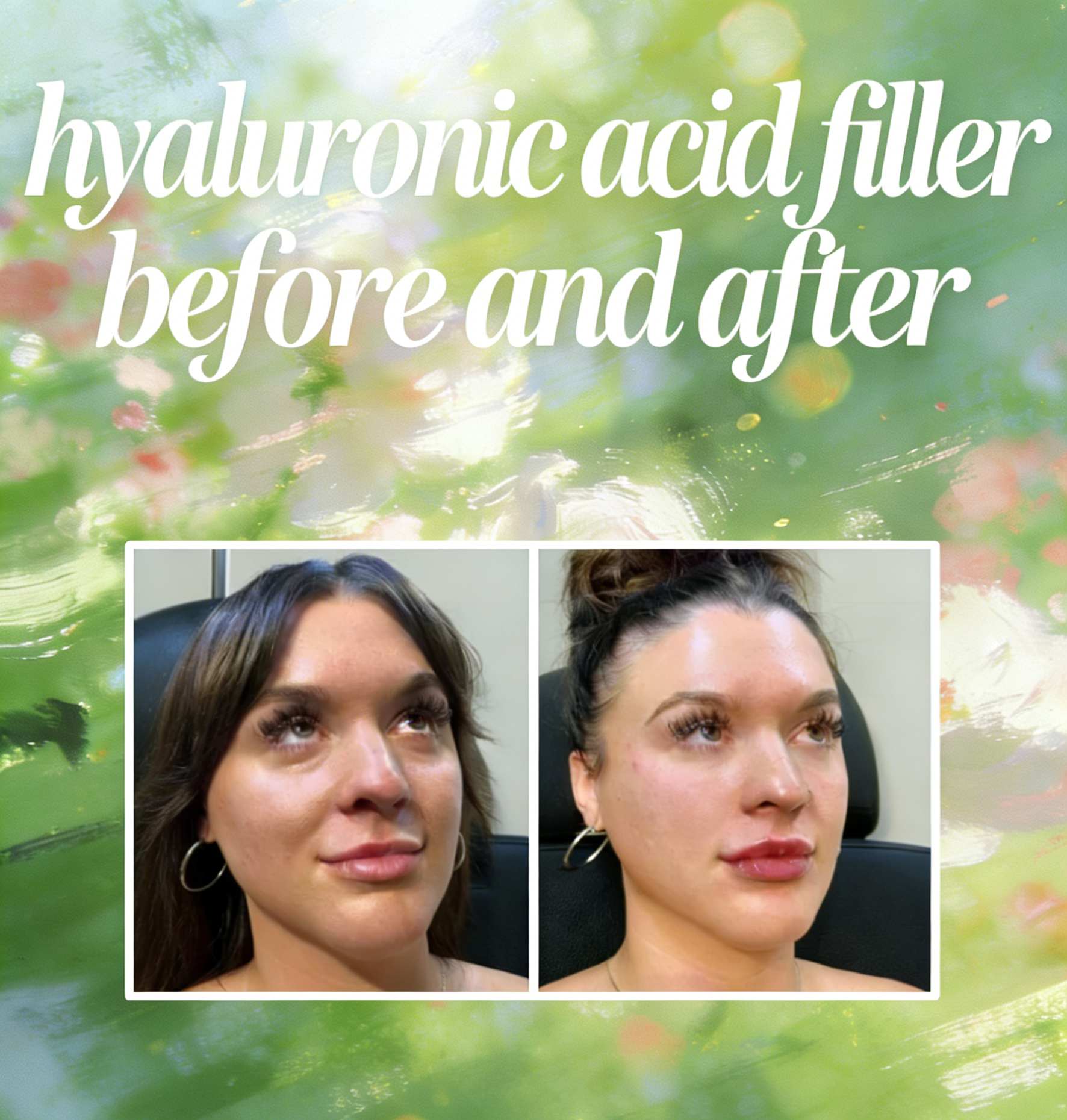
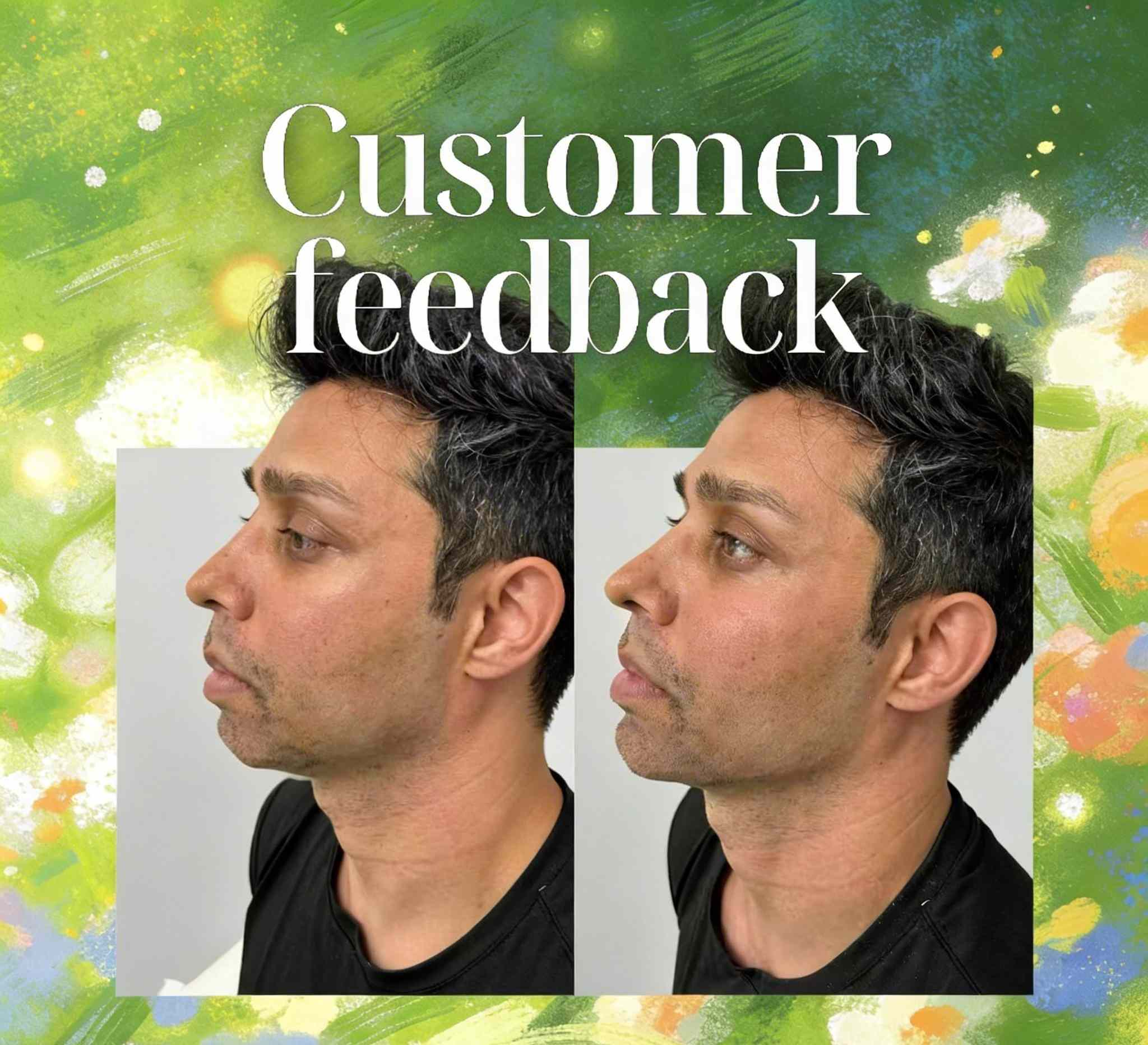
The ultimate goal of any dermal filler injection is "refine, not distortion." By reviewing our hyaluronic acid filler before and after case studies, you can see how OTESALY® achieves natural-looking volume and refined contours.
Nasolabial Folds: Before & After
Jawline: Before & After
Conclusion: Safety and Predictability with HA Fillers
Hyaluronic Acid (HA) fillers are the global gold standard because they are 100% reversible. Whether through natural metabolism or active dissolution with hyaluronidase, HA offers unmatched safety and control.
Understanding how long HA fillers last (typically 6–12 months) is key to managing patient expectations. Choosing a reputable medical institution, an experienced doctor, and a brand with advanced cross-linking—like OTESALY®—ensures predictable results and long-term safety.
If you are seeking high-quality aesthetic solutions, or if you plan to purchase hyaluronic acid fillers for use in your clinic, we invite you to consult with our professional advisors to receive personalized product recommendations and exclusive wholesale dermal filler offers.
FAQ
Q1: Can filler really be dissolved without leaving in face?
A: Yes—provided it’s a high-quality hyaluronic acid (HA) filler. Think of Hyaluronidase as an "eraser" that breaks down the product within 24-48 hours. However, if you buy hyaluronic acid filler from unverified sources or use non-HA synthetics, it may not dissolve completely. Stick to reputable brands like OTESALY® to ensure a clean, predictable reversal.
Q2: Will my face sag or look hollow after dissolving?
A: Not at all. While the enzyme may temporarily affect a tiny fraction of your natural HA, your body’s biology is resilient. Natural HA levels typically replenish within 24–48 hours, restoring your skin's equilibrium without any long-term "sagging."
Q3: I feel a lump—should I dissolve it immediately?
A: Don’t panic! Mild swelling or a slight "foreign body" sensation is normal for the first 7 days. If a visible lump or asymmetry persists after 2 weeks, it may be an injection depth issue. Minor irregularities often resolve with massage, but if you're unhappy, a specialist can use a micro-dose of enzyme to "tweak" and refine the result.
Q4: How soon can I re-inject after dissolving?
A: You must wait at least 1 to 2 weeks. Residual hyaluronidase in the tissue can instantly degrade any new filler, wasting your investment and shortening how long does hyaluronic acid filler last. Wait for the swelling to subside and tissue pH to normalize for the best results.


